
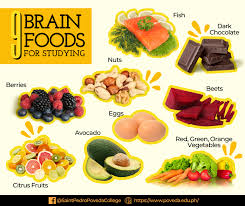
When it comes to studying, your brain needs the right fuel to stay active, sharp, and focused. Just like your body needs healthy food to perform well physically, your brain needs specific nutrients to perform mentally. Eating the best brain foods for studying can improve your memory, focus, and learning ability.
In this article, we’ll explore the importance, benefits, and even how much of these foods you should eat for the best brain performance. Let’s dive in.
Why Best Brain Foods for Studying Is Important :
The importance of Best Brain Foods for Studying cannot be overstated. Your brain uses about 20% of the body’s energy, and it needs a steady supply of nutrients to function well. Without the right foods, you may feel tired, distracted, or forgetful.
When you eat the right kinds of food:
- You think more clearly.
- You can concentrate for longer periods.
- You remember information better.
This is especially important for students who study for long hours or prepare for exams. Foods rich in omega-3 fatty acids, antioxidants, and vitamins protect brain cells and improve communication between them. These nutrients literally feed your brain and keep it healthy over time.
Benefits of Best Brain Foods for Studying:
Eating the right brain foods daily brings many benefits that go beyond just studying.
1. Improved Memory
Nutrients such as omega-3s, vitamin E, and choline help strengthen brain cell connections, improving both short-term and long-term memory. This is especially useful during exams or while learning new topics.
2. Better Focus and Concentration
Foods that release energy slowly, such as whole grains and nuts, help you stay alert for longer periods without feeling tired. They prevent sudden drops in blood sugar, which can make you feel sleepy or distracted.
3. Enhanced Mood
A good diet can also improve your mood. Dark chocolate, berries, and bananas help your brain produce serotonin, a hormone that makes you feel happy and calm. A positive mood makes studying easier and more enjoyable.
4. Protection from Brain Fatigue
During long study sessions, your brain can get tired. Antioxidants found in foods like blueberries and green tea protect your brain from oxidative stress, helping you stay mentally active for longer.
5. Long-Term Brain Health
Brain foods don’t just help with exams; they also protect your brain from age-related decline and diseases like Alzheimer’s. Eating them regularly keeps your brain sharp even as you grow older.
Top 10 Best Brain Foods for Studying:
Let’s look at the top foods that can help boost your brain power, improve memory, and keep you focused during study time.
1. Fatty Fish (Salmon, Tuna, and Sardines)
Fatty fish are packed with omega-3 fatty acids, which are essential for building brain and nerve cells. They improve learning ability, memory, and focus.
How much to eat:
- Around 2–3 servings per week (about 3–4 ounces per serving).
If you’re vegetarian, you can get omega-3s from chia seeds, flaxseeds, and walnuts.
Benefits:
- Boosts concentration.
- Improves memory retention.
- Reduces stress and anxiety.
2. Blueberries
Blueberries are often called brain berries for a reason. They contain powerful antioxidants that protect the brain from damage and improve communication between brain cells.
How much to eat:
- ½ to 1 cup daily as a snack or in smoothies.
Benefits:
- Enhances memory and learning.
- Reduces brain aging.
- Improves focus.
3. Eggs
Eggs are rich in choline, which helps your brain produce the neurotransmitter acetylcholine, important for memory and mood regulation. They also provide vitamins B6, B12, and folate, all essential for brain health.
How much to eat:
- 1–2 eggs daily is a good amount for most people.
Benefits:
- Improves memory and recall.
- Boosts mental energy.
- Promotes healthy brain development.
4. Nuts and Seeds
Nuts and seeds like almonds, walnuts, sunflower seeds, and pumpkin seeds are rich in vitamin E, healthy fats, and antioxidants. They help protect your brain cells and improve cognitive function.
How much to eat:
- A small handful (about 1 ounce) daily is enough.
Benefits:
- Improves mental alertness.
- Reduces inflammation in the brain.
- Helps prevent memory decline.
5. Dark Chocolate
Yes, you can eat chocolate — but make it dark chocolate. It contains flavonoids, caffeine, and antioxidants that can enhance focus and mood.
How much to eat:
- 1–2 small squares (about 1 ounce) daily is ideal.
Benefits:
- Boosts energy and mood.
- Improves blood flow to the brain.
- Increases alertness during studying.
6. Whole Grains
Whole grains such as brown rice, oats, and whole wheat bread release glucose slowly into your bloodstream, keeping your energy levels stable.
How much to eat:
- 2–3 servings daily (e.g., 1 slice of bread or ½ cup of cooked grains).
Benefits:
- Keeps you full and focused.
- Prevents sudden energy drops.
- Supports long study sessions.
7. Leafy Green Vegetables
Vegetables like spinach, kale, and broccoli are rich in vitamins K, C, E, and folate, which are essential for maintaining brain function.
How much to eat:
- At least 1 cup daily of cooked greens.
Benefits:
- Slows down brain aging.
- Improves memory and thinking speed.
- Supports overall brain health.
8. Avocados
Avocados are full of healthy monounsaturated fats that support blood flow to the brain. They also provide vitamin K and folate, which help protect brain cells.
How much to eat:
- ½ avocado daily or a few slices with your meals.
Benefits:
- Improves concentration.
- Keeps brain cells healthy.
- Reduces the risk of cognitive decline.
9. Green Tea
Green tea contains caffeine and L-theanine, which work together to improve focus without the jittery feeling that coffee sometimes causes.
How much to drink:
- 1–2 cups per day is enough.
Benefits:
- Increases alertness.
- Reduces stress and anxiety.
- Helps you stay focused for long hours.
10. Berries and Citrus Fruits
Fruits like strawberries, oranges, and grapefruits are rich in vitamin C and flavonoids. These help protect the brain from oxidative stress and support memory formation.
How much to eat:
- 1–2 servings daily (1 fruit or ½ cup of berries).
Benefits:
- Improves brain cell communication.
- Boosts immunity and energy levels.
- Enhances learning ability.
How Much Best Brain Foods for Studying Is Enough for Daily Use?
You don’t need to eat all of these foods every day. The key is balance and variety.
Here’s a simple weekly plan to get the best amount of food for brain health:
| Food Type | Ideal Amount per Week |
| Fatty Fish | 2–3 servings |
| Leafy Greens | Daily (1 cup cooked) |
| Nuts/Seeds | 5–7 times (1 handful each) |
| Eggs | 5–7 eggs total |
| Whole Grains | Daily (2–3 servings) |
| Berries/Fruits | Daily (1 cup) |
| Green Tea | 5–6 cups |
| Dark Chocolate | 3–4 times (1 ounce each) |
Eating these foods in the right amounts supports both mental energy and long-term brain health.
Tips to Make Brain Foods a Habit
- Start small – Add one brain food to your diet each week.
- Snack smart – Replace chips with nuts or berries.
- Hydrate – Drink plenty of water, since dehydration can reduce focus.
- Eat at regular times – The brain works best with steady energy.
- Avoid junk food – Sugary and fried foods slow down brain function.
Conclusion
Your brain is your most powerful tool for studying, and like any tool, it needs proper care. Choosing the best brain foods for studying gives you the fuel to focus, remember, and perform better in school and beyond.
Whether it’s fatty fish for memory, blueberries for alertness, or dark chocolate for mood, each food contributes to your mental performance. Combine them wisely, eat the right amounts, and you’ll notice a real difference in how your brain works — sharper, faster, and more focused than ever before.
Frequently Asked Questions (FAQ)
1. What is the best time to eat brain foods?
It’s best to eat brain foods throughout the day, especially in the morning or before studying sessions. A balanced breakfast with eggs, whole grains, and fruit helps improve focus and memory.
2. Can too much brain food be harmful?
Yes. Even healthy foods can cause issues if eaten in excess. For example, too many nuts or avocados can add extra calories. The key is moderation.
3. Are supplements as good as real brain foods?
While supplements can help, natural foods are always better because they contain a full range of nutrients and fiber your body can use more effectively.
4. How long before I notice the benefits?
You can feel more focused and energetic within a few days, but major improvements in memory and learning may take a few weeks of consistent healthy eating.
In short:
Eating the right foods is one of the smartest study strategies you can use. When your brain eats well, you study well.