
Popcorn is one of the most popular snacks in the world. It is light, crunchy, and easy to enjoy anytime. But people living with diabetes often wonder: is popcorn good for diabetics, or does it raise blood sugar too much? This question is important because snacks play a big role in blood sugar control. Many people with diabetes want snacks that are safe, low in calories, high in fiber, and filling. Popcorn may look like a simple treat, but there is a lot to know about how it affects blood sugar. In this complete guide, we look at popcorn nutrition, how popcorn affects blood sugar, whether diabetics can eat popcorn, and what other snacks work well for those managing Type 2 diabetes. The goal is to give you a clear, simple, and helpful explanation so you can choose your snacks with confidence.
Understanding Popcorn Nutrition
To understand whether popcorn is a good snack for diabetes, we need to look closely at popcorn nutrition. Popcorn is a whole grain, which means it comes from the entire kernel of corn. Whole grains are rich in fiber, vitamins, and minerals. Popcorn in its natural form is very low in calories and contains no sugar. One cup of air-popped popcorn has around 30 calories, very little fat, and about one gram of fiber. Because of this, popcorn can help you feel full without adding many calories. The fiber in popcorn is especially useful because it slows the digestion of carbohydrates, which helps keep blood sugar levels stable. However, not all popcorn is the same. Movie-theater popcorn, microwave popcorn with butter flavoring, caramel popcorn, and sweetened popcorn can be high in fat, sugar, and salt. These extra ingredients change how popcorn affects your body. This is why it’s important to choose simple, air-popped popcorn without added toppings. Understanding the simple basics of popcorn nutrition will help you make the right decisions as a diabetic.
Can Diabetics Eat Popcorn Safely?
Many people ask, “Can diabetics eat popcorn?“ The simple answer is yes, but with some important rules. Popcorn can be a safe snack for diabetics when eaten in moderate amounts and when prepared in a healthy way. The key reason popcorn can work for diabetics is that it has a low calorie count, contains whole-grain fiber, and has a low glycemic index when air-popped. The glycemic index (GI) measures how fast a food raises blood sugar. Popcorn has a GI of around 55, which is considered moderately low. This means it will not cause sharp spikes in blood sugar when eaten in small portions. However, diabetics must control their portion size because too much popcorn can still raise blood sugar. A safe portion is around 3 cups of air-popped popcorn, which contains about 15 grams of carbohydrates—similar to one carbohydrate serving. Eating flavored or butter-heavy popcorn can cause blood sugar spikes because of added fats, oils, and sugars. So while diabetics can enjoy popcorn, they must pay attention to how it is prepared and how much they eat.
- How Popcorn Affects Blood Sugar Levels
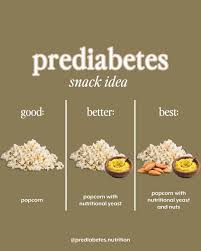
Even though popcorn is a whole grain and contains fiber, it still contains carbohydrates, which means it can raise blood sugar. The way popcorn affects blood glucose depends on several factors, such as portion size, toppings, and whether you eat it alone or with protein. When eaten in its plain, air-popped form, popcorn digests slowly because the fiber helps avoid sudden spikes in blood sugar. This makes it a better choice compared to snacks like chips, cookies, or candy. But when you add butter, oil, caramel, cheese seasoning, or sugary coatings, the calorie and carbohydrate content increases quickly. These toppings also raise the glycemic load, which is a measure of how much a serving of food will raise blood sugar. Eating too much popcorn at once can raise blood sugar even if it is plain, because total carbohydrates matter. For many diabetics, eating popcorn as a snack between meals works best. Some people also find that pairing popcorn with a source of protein, like nuts or a small slice of cheese, helps prevent blood sugar spikes. Understanding how your body reacts to popcorn helps you make smarter choices.
Benefits of Popcorn for People With Type 2 Diabetes
There are several reasons popcorn can be a smart snack choice for people managing Type 2 diabetes. First, popcorn is a whole grain, and eating whole grains is linked to better blood pressure, better digestion, and more stable blood sugar. Second, popcorn is low in calories. Many people with Type 2 diabetes are also trying to maintain or lose weight, and popcorn helps because you can eat a satisfying amount without consuming too many calories. Another benefit is that popcorn contains fiber, which helps keep you full for a longer time and reduces snacking on unhealthy foods. The fiber also supports healthy digestion and helps improve cholesterol levels. Popcorn also contains antioxidants called polyphenols, which support good heart health, something important for diabetics. Because it is easy to prepare, easy to portion, and low in cost, popcorn is often better than many packaged snacks. These benefits show why popcorn can play a positive role in a Type 2 diabetes meal plan when eaten correctly.
- Risks and Concerns of Eating Popcorn for Diabetics
Even though popcorn has many benefits, there are some risks diabetics need to keep in mind. The biggest issue is portion control. Popcorn is easy to overeat because it is light and you may not realize how much you have eaten. Eating too much at once can increase carbohydrate intake and raise blood sugar levels. Another concern is the type of popcorn. Most microwave popcorn bags contain oils, artificial butter flavors, and preservatives. These added ingredients increase calories, fat, and sometimes sodium. High-sodium snacks can raise blood pressure, which is especially risky for people with diabetes. Caramel popcorn and kettle corn are even riskier because they contain added sugar that can cause blood glucose spikes. Some cheese-flavored popcorn varieties are high in saturated fat, which can harm heart health. Diabetics should read labels carefully or prepare their own popcorn at home. Another small concern is that some people may experience digestive issues if they eat too much fiber suddenly. For most people, homemade air-popped popcorn with light seasoning is the safest choice.
- Best Way for Diabetics to Prepare Healthy Popcorn
If you want to include popcorn in your diabetes-friendly diet, the best way is to make it at home using healthy methods. The safest method is to use an air popper, which pops the kernels without using any oil. This keeps the popcorn low in calories and makes it easier to control portions. If you do not have an air popper, you can prepare popcorn on the stovetop using a tiny amount of olive oil. Another option is to put kernels in a brown paper bag and microwave them without adding oil. For flavor, diabetics can use healthy toppings like herbs, garlic powder, smoked paprika, pepper, or nutritional yeast. These seasonings add taste without raising blood sugar. Avoid heavy butter, caramel coatings, and cheese powders. If you want a little salt, add only a pinch. Keeping popcorn simple is the best way to make it safe for diabetes. Many people find it helpful to measure out a single serving ahead of time so they do not eat too much in one sitting.
What Snacks Are Good for Type 2 Diabetes?
While popcorn can be a good snack, diabetics should also know other smart snacking options. Many people search for What Snacks Are Good for Type 2 Diabetes, and the good news is that there are plenty of healthy choices. High-fiber snacks like fresh fruits, nuts, seeds, hummus with vegetables, and whole-grain crackers help keep blood sugar steady. Protein-rich snacks like boiled eggs, Greek yogurt, cottage cheese, tuna, or a small handful of almonds can help control hunger and prevent overeating. Complex-carbohydrate snacks like oatmeal cups, chia pudding, or whole-grain toast with peanut butter provide slow-released energy. If you enjoy crunchy snacks, roasted chickpeas, whole-grain chips, or rice cakes with healthy toppings are good options. The goal of a diabetes-friendly snack is to combine fiber, protein, and healthy fats so the snack digests slowly and does not cause sudden spikes in blood sugar. Popcorn fits into this category when it is air-popped and eaten in moderation, making it one of many safe choices.
- How Much Popcorn Should a Diabetic Eat?
Portion control is one of the most important parts of managing snacks with diabetes. Even healthy snacks can raise blood sugar if eaten in large amounts. For popcorn, the recommended portion for diabetics is around 3 cups of air-popped popcorn, which equals about 15 grams of carbohydrates. This is considered one carbohydrate serving in a standard diabetic meal plan. Eating more than this can easily double or triple the carbs, which could cause blood sugar levels to climb too high. The best practice is to measure your popcorn serving before you start eating. Many people like to divide kernels into single-serving bags ahead of time so they do not accidentally overeat. If you choose to add healthy toppings, apply them very lightly. Remember that although popcorn is light, the carbs add up quickly. Sticking to one serving can help you enjoy popcorn safely while keeping your blood sugar stable.
Final Thoughts: Is Popcorn a Good Snack for Diabetics?
So, is popcorn good for diabetics? The answer is yes, as long as the popcorn is prepared in a healthy way and eaten in the right portion size. Air-popped popcorn is low in calories, high in fiber, and made from whole grains, which makes it a better choice than many processed snacks. However, flavors and toppings can turn a healthy snack into an unhealthy one. Diabetics should avoid buttery, caramelized, sugary, or heavily salted popcorn. Controlling portion size is important because popcorn still contains carbohydrates. When eaten correctly, popcorn fits well into a diabetes-friendly diet and can be enjoyed regularly. It is tasty, satisfying, affordable, and easy to prepare. For those living with diabetes, popcorn can be part of a balanced snacking plan along with other smart choices like nuts, fruit, yogurt, vegetables, and whole grains. Always remember to listen to your body, track how foods affect your blood sugar, and choose snacks that make you feel healthy and energized.