
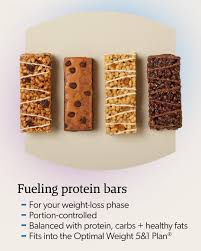
Many people today ask the same question: are protein bars good for weight loss?
The short answer is yes, they can be helpful, but only when used the right way.
Protein bars are popular because they are easy to carry, quick to eat, and often marketed as healthy snacks. People who are trying to lose weight often turn to them when they feel hungry between meals or after workouts. However, not all protein bars are the same. Some help with weight management, while others may slow progress.
To understand whether protein bars support weight loss, it is important to know how they work in the body. Protein helps you feel full for a longer time. This can reduce hunger and lower the chances of overeating. When hunger is controlled, calorie intake often goes down, which supports fat loss over time.
Many protein bars are also designed to replace unhealthy snacks like cookies or chips. Choosing a bar with high protein, low sugar, and balanced calories can help people stay on track with their weight goals. On the other hand, bars that are high in added sugar and calories may work against weight loss.
Still, protein bars should not replace whole foods completely. Whole foods provide fiber, vitamins, and minerals that bars may lack. The best approach is to use protein bars as a support tool, not a main meal every day.
In simple terms, protein bars can be good for weight loss when chosen wisely and eaten in moderation.
What Do Protein Bars Do?
To understand their role in weight loss, it helps to know what do protein bars do inside the body.
Protein bars mainly provide protein, which is an essential nutrient. Protein helps build and repair muscles. It also plays a major role in controlling appetite. When you eat protein, your body releases hormones that make you feel full. This can reduce cravings and snacking.
Protein bars also give the body energy. Many bars include carbohydrates and healthy fats. These nutrients help fuel daily activities and workouts. For people who exercise, protein bars can support muscle recovery and reduce muscle breakdown.
Another important role of protein bars is convenience. Busy schedules often lead people to skip meals or choose unhealthy fast food. A protein bar can act as a quick snack or meal replacement when there are no healthy options nearby.
Protein bars can also help with blood sugar balance. Bars that are low in sugar and high in protein may prevent sudden blood sugar spikes. Stable blood sugar levels can reduce hunger and energy crashes.
However, not all protein bars work the same way. Some bars are closer to candy bars. These bars contain high amounts of sugar and unhealthy fats. Instead of supporting weight loss, they may increase calorie intake.
In summary, protein bars help by supporting satiety, energy levels, and muscle health. When chosen carefully, they can fit well into a weight loss plan.
Protein Bar Benefits
There are several clear protein bar benefits, especially for people focused on weight loss and healthy living.
- One major benefit is appetite control. Protein takes longer to digest than carbs. This means you stay full longer. Feeling full helps reduce overeating and unnecessary snacking during the day.
- Another benefit is muscle support. During weight loss, the body can lose muscle along with fat. Protein helps protect lean muscle mass. Keeping muscle is important because muscle burns more calories, even at rest.
- Protein bars also support meal planning. Many people struggle with preparing healthy snacks. Protein bars remove the guesswork. They provide a measured amount of calories and protein in one package.
- For people who exercise, protein bars help with post-workout recovery. Protein helps repair muscles after exercise. This can improve strength and support consistent workouts, which are important for fat loss.
- Another benefit is portable nutrition. Protein bars fit easily in bags, desks, or cars. This makes them useful for travel, workdays, or long hours away from home.
- Some protein bars also include fiber, vitamins, and minerals. Fiber helps digestion and improves fullness. Vitamins support overall health, which is important during calorie reduction.
- Overall, protein bar benefits include convenience, hunger control, muscle support, and structured calorie intake. These factors can make weight loss easier when combined with a balanced diet.
What To Know Before Eating Protein Bars
Before adding protein bars to your diet, there are important things to understand. What to know before eating them can make the difference between success and setbacks.
- First, always check the nutrition label. Many protein bars claim to be healthy but contain high sugar levels. Look for bars with low added sugar and moderate calories. A good bar should support your daily calorie goals.
- Second, pay attention to protein content. Some bars contain very little protein. For weight loss, a bar with higher protein helps control hunger better.
- Third, watch the ingredient list. Long ingredient lists with artificial sweeteners and preservatives may not be ideal for daily use. Bars with simple ingredients are often a better choice.
- Another thing to know is calorie density. Some protein bars contain as many calories as a full meal. Eating them on top of regular meals can slow weight loss. They should fit into your total calorie intake for the day.
- It is also important to understand that protein bars are processed foods. While they are convenient, they should not replace whole foods like fruits, vegetables, lean meats, and whole grains.
- Lastly, individual needs vary. Some people feel full after eating protein bars, while others do not. Pay attention to how your body responds.
Knowing these key points helps you use protein bars wisely and avoid common mistakes.
Tips for Consuming Protein Bars
- Using protein bars correctly is just as important as choosing the right one. These tips for consuming protein bars can help maximize benefits for weight loss.
- First, use protein bars as snacks, not constant meal replacements. Eating whole meals provides more nutrients and keeps digestion healthy.
- Second, time your protein bar wisely. Eating one between meals can prevent overeating later. They are also useful after workouts to support muscle recovery.
- Third, pair protein bars with whole foods when possible. For example, eating a protein bar with fruit adds fiber and natural vitamins.
- Fourth, do not rely on protein bars every day. Variety is important for nutrition. Rotate protein bars with other healthy snacks like yogurt, nuts, or eggs.
- Another helpful tip is to drink water when eating protein bars. Protein works better when the body is well-hydrated. Water also helps digestion and fullness.
- Finally, listen to your body. If protein bars make you feel bloated or unsatisfied, they may not be the best option for you.
- By following these tips, protein bars can be a smart and supportive part of a weight loss plan.
Final Thoughts
So, are protein bars good for weight loss?
Yes, they can be—when chosen carefully and eaten in moderation.
Understanding what do protein bars do, knowing the protein bar benefits, learning what to know before eating them, and following smart tips for consuming protein bars all help ensure success.
Protein bars are not magic solutions. They work best as part of a balanced diet, active lifestyle, and healthy habits. When used wisely, they can make weight loss easier, more convenient, and more sustainable.