
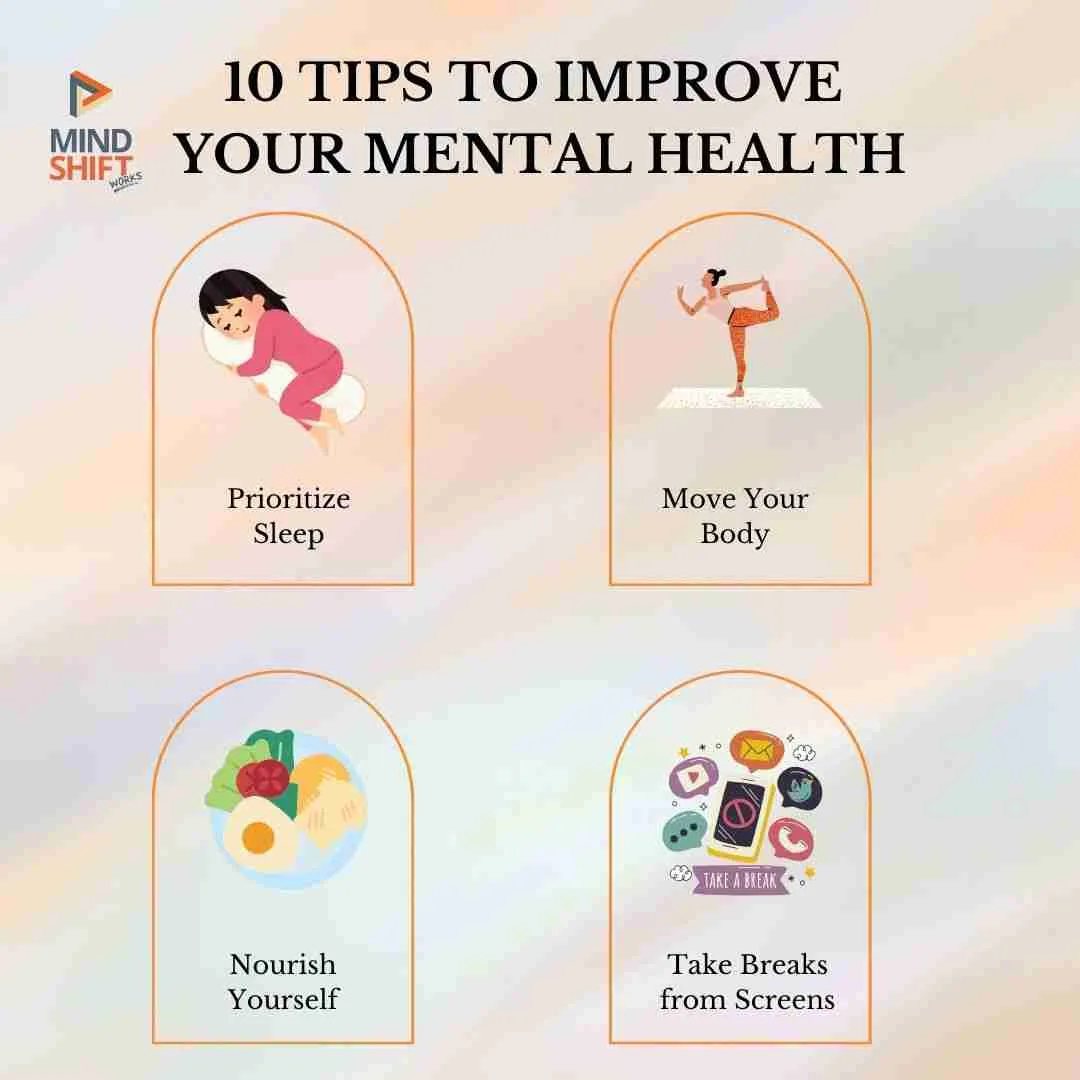
Mental health is just as important as physical health. It affects how we think, feel, and act every day. Good mental health helps us handle stress, make better decisions, and enjoy life more fully. This guide shares practical and easy mental health tips that anyone can follow.
What Is Mental Health and Why Is It Important?
Mental health means your overall emotional, psychological, and social wellbeing. It affects how you handle stress, relate to others, and make choices.
Good mental health does not mean feeling happy all the time. It means being able to manage emotions, cope with challenges, and recover from difficult situations.
Why Mental Health Is Important
Understanding why it is important to care for mental health can help people take it seriously.
- It helps you manage daily stress
- It improves focus and learning
- It supports healthy relationships
- It boosts self-confidence
- It improves physical health
Poor mental health can lead to stress, anxiety, depression, and long-term health problems. That is why following good mental health tips is essential for people of all ages.
Common Signs of Poor Mental Health
Recognizing early signs can help prevent bigger problems later.
Some common signs include:
- Feeling sad or worried for a long time
- Trouble sleeping or sleeping too much
- Low energy and motivation
- Feeling angry or irritated often
- Difficulty concentrating
- Avoiding friends or family
If these feelings last for weeks, it may be time to focus on mental wellbeing and seek support.
How Do I Get My Mental Health Better?
Many people ask, “How do I get my mental health better?” The answer is not one single action. Mental health improves through small, consistent habits.
Improving mental health means:
- Understanding your emotions
- Taking care of your body
- Building supportive relationships
- Managing stress in healthy ways
- Asking for help when needed
Below, we explain 5 steps to mental wellbeing that experts recommend.
5 Steps to Mental Wellbeing
Step 1: Take Care of Your Body
Your mind and body are deeply connected. Physical health strongly affects mental health.
Key Mental Health Tips for Physical Care;
- Get 7–9 hours of sleep each night
- Eat balanced meals with fruits and vegetables
- Drink enough water
- Exercise regularly, even light walking
Regular exercise, healthy eating, and good sleep habits can reduce stress, anxiety, and low mood.
Step 2: Learn to Manage Stress
Stress is a normal part of life, but too much stress can harm mental wellbeing.
Healthy Ways to Manage Stress
- Practice deep breathing
- Try meditation or mindfulness
- Take short breaks during the day
- Spend time in nature
Using stress management techniques helps calm the mind and improve emotional balance.
Step 3: Build Strong Social Connections
Humans are social beings. Strong relationships support emotional health.
Why Social Support Matters
- Reduces feelings of loneliness
- Improves self-worth
- Provides emotional comfort
- Helps during difficult times
Spending time with friends, family, or support groups strengthens mental wellbeing and creates a sense of belonging.
Step 4: Develop Healthy Thinking Habits
How you think affects how you feel. Negative thinking can harm mental health.
Positive Thinking Tips
- Replace negative thoughts with realistic ones
- Practice gratitude daily
- Focus on solutions instead of problems
- Be kind to yourself
Positive thinking, self-awareness, and emotional regulation are key parts of good mental health.
Step 5: Seek Professional Help When Needed
Asking for help is a sign of strength, not weakness.
When to Seek Help
- When feelings become overwhelming
- When daily tasks feel impossible
- When stress affects work or relationships
Talking to a mental health professional, such as a therapist or counselor, can provide guidance and support.
Daily Mental Health Tips for a Balanced Life
Small daily habits can make a big difference over time.
Practice Mindfulness Every Day
Mindfulness means paying attention to the present moment.
Benefits include:
- Reduced anxiety
- Better focus
- Improved emotional control
Even five minutes of mindfulness practice can improve mental clarity.
Maintain a Daily Routine
A structured routine provides stability.
- Wake up at the same time
- Plan meals and activities
- Set time for rest
A routine helps reduce mental stress and supports emotional balance.
Limit Screen Time and Social Media
Too much screen time can harm mental health.
Effects include:
- Poor sleep
- Low self-esteem
- Increased anxiety
Limiting social media use helps protect emotional wellbeing.
Engage in Activities You Enjoy
Doing things you love boosts mood and confidence.
Examples include:
- Reading
- Drawing or writing
- Listening to music
- Gardening
These activities improve emotional health and reduce stress.
Mental Health Tips for Students and Young People
Young people face academic pressure, social stress, and emotional changes.
Helpful Tips for Students
- Take study breaks
- Ask for help when struggling
- Stay physically active
- Avoid comparing yourself to others
Supporting mental health in students improves learning and self-esteem.
- Mental Health Tips for Working Adults
Work stress can affect mental wellbeing.
Tips for Managing Work Stress
- Set realistic goals
- Take regular breaks
- Maintain work-life balance
- Communicate openly
Good workplace mental health leads to better productivity and job satisfaction.
Why Mental Health Awareness Matters
Mental health awareness helps reduce stigma and encourages people to seek help.
Benefits of Mental Health Awareness
- Promotes early support
- Improves understanding
- Encourages open conversations
- Reduces discrimination
Understanding why it is important to talk about mental health helps build healthier communities.
The Long-Term Benefits of Good Mental Health
Maintaining mental wellbeing improves quality of life.
Long-Term Benefits Include
- Better physical health
- Stronger relationships
- Higher self-confidence
- Improved decision-making
Following consistent mental health tips supports lifelong emotional strength.
Simple Habits That Support Mental Wellbeing
Here are easy habits anyone can start today:
- Drink water regularly
- Write down feelings
- Get sunlight daily
- Laugh often
- Rest when tired
These habits support mental wellness, emotional balance, and overall wellbeing.
Final Thoughts on Mental Health Tips
Mental health is a lifelong journey. It requires attention, care, and patience. By following these mental health tips, anyone can improve emotional strength and resilience.
Remember:
- Mental health matters
- Small steps make a big difference
- Help is always available
If you ever wonder, “How do I get my mental health better?”, start with small, daily changes and follow the 5 steps to mental wellbeing explained above.
Taking care of your mind is one of the most important things you can do for a healthier and happier life