
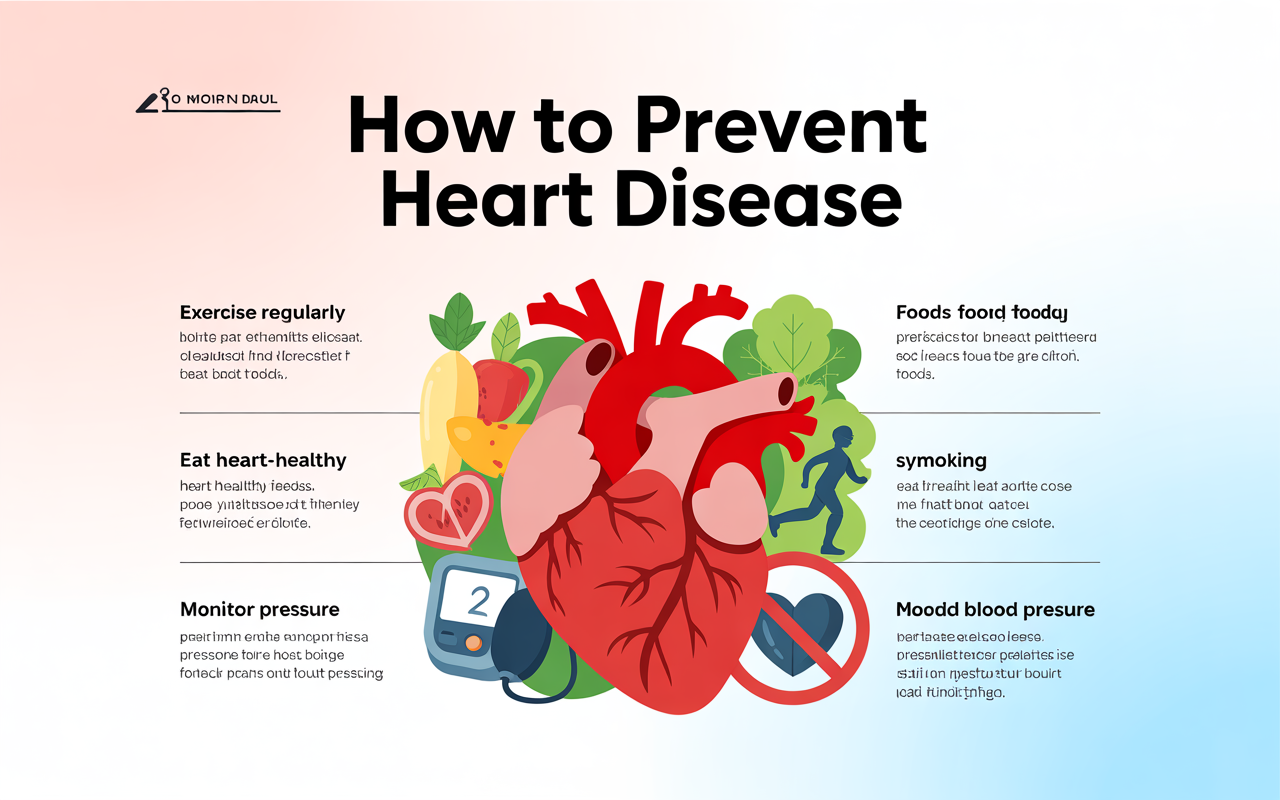
Heart disease is one of the most common health problems in the world today. It affects millions of people every year and can lead to serious complications if not managed early. The good news is that many types of heart disease are preventable. With the right knowledge and daily habits, people can greatly reduce their risk and protect their heart health.
What Is Heart Disease?
Heart disease is a general term used to describe several conditions that affect the heart and blood vessels. These conditions make it harder for the heart to pump blood properly throughout the body.
The most common type is coronary artery disease, which happens when blood vessels that supply the heart become narrow or blocked. This blockage usually develops slowly over time and can lead to serious problems like heart attacks.
Other types of heart disease include heart rhythm problems, heart valve disease, heart failure, and congenital heart defects. Each type affects the heart in a different way, but they all reduce how well the heart works.
The heart is a vital organ. It pumps oxygen-rich blood to every part of the body. When the heart is damaged, organs do not get enough oxygen and nutrients. This can affect daily life and long-term health.
Many people believe heart disease only affects older adults. However, heart disease can start at a young age, especially when unhealthy habits are present. That is why learning how to prevent heart disease early is so important.
Causes of Heart Disease
Understanding the causes of heart disease helps people take the right steps to prevent it. Heart disease usually develops due to a combination of lifestyle choices, medical conditions, and genetic factors.
- One major cause is high blood pressure. When blood pressure stays high for a long time, it puts extra stress on the heart and blood vessels. This can weaken the heart muscle and damage artery walls.
- Another common cause is high cholesterol levels. Too much “bad” cholesterol can build up inside arteries and form plaques. This condition, called atherosclerosis, reduces blood flow and increases the risk of heart attacks.
- Unhealthy diet habits also play a major role. Diets high in saturated fats, trans fats, salt, and sugar increase the risk of heart disease. Eating too much processed food can lead to weight gain and poor heart health.
- Physical inactivity is another key cause. When people do not move enough, the heart becomes weaker over time. Lack of exercise also increases the risk of obesity, diabetes, and high blood pressure.
- Smoking and tobacco use significantly increase the risk of heart disease. Chemicals in tobacco damage blood vessels, reduce oxygen in the blood, and make the heart work harder than normal.
- Diabetes is also closely linked to heart disease. High blood sugar damages blood vessels and nerves that control the heart. People with diabetes are at a much higher risk of developing heart problems.
- Other contributing factors include excess body weight, chronic stress, poor sleep, and family history of heart disease. While genetics cannot be changed, lifestyle choices can greatly lower overall risk.
Strategies to Prevent Heart Disease
Learning effective strategies to prevent heart disease can help people live longer, healthier lives. Prevention focuses on making small, consistent changes that protect the heart over time.
1: Maintain a Heart-Healthy Diet
A healthy diet is one of the most powerful tools for heart disease prevention. Eating the right foods helps control cholesterol, blood pressure, and body weight.
Focus on foods that are rich in fiber, vitamins, and healthy fats. Fruits, vegetables, whole grains, nuts, seeds, and legumes support heart health. These foods help reduce inflammation and improve blood flow.
Limit foods high in saturated fat, trans fat, and added sugar. Fried foods, baked goods, and processed snacks should be eaten less often. Reducing salt intake also helps control blood pressure.
Choosing lean proteins such as fish, beans, and skinless poultry can further protect the heart. Drinking enough water and avoiding sugary drinks is also important.
2: Stay Physically Active
Regular physical activity strengthens the heart and improves circulation. Exercise helps the heart pump blood more efficiently and lowers the risk of heart disease.
Experts recommend at least 30 minutes of moderate exercise on most days of the week. Activities like walking, cycling, swimming, or dancing are excellent choices.
Physical activity also helps manage weight, lower cholesterol, and reduce stress. Even small movements, like taking the stairs or stretching, can make a difference when done consistently.
3: Maintain a Healthy Weight
Excess weight puts extra strain on the heart. It also increases the risk of high blood pressure, diabetes, and high cholesterol.
Maintaining a healthy weight does not require extreme dieting. Balanced meals and regular activity are the most effective long-term approach.
Losing even a small amount of weight can improve heart health and reduce the risk of heart disease.
4: Avoid Smoking and Tobacco Products
Avoiding smoking is one of the most important strategies to prevent heart disease. Smoking damages blood vessels and reduces oxygen supply to the heart.
Quitting smoking improves heart health almost immediately. Blood pressure drops, circulation improves, and the risk of heart attack decreases over time.
Secondhand smoke is also harmful. Staying away from smoke-filled environments helps protect the heart.
5: Manage Blood Pressure and Cholesterol
Keeping blood pressure and cholesterol levels under control is essential for heart disease prevention. Regular health checkups help detect problems early.
Healthy eating, exercise, and stress management often help maintain normal levels. In some cases, doctors may recommend medication.
Following medical advice and monitoring levels regularly reduces long-term heart risks.
6: Control Blood Sugar Levels
Managing blood sugar is especially important for people with diabetes or prediabetes. Stable blood sugar protects blood vessels and prevents damage to the heart.
Healthy eating, regular activity, and proper medical care help keep blood sugar within a safe range.
Early control greatly lowers the chance of developing heart disease later in life.
7: Reduce Stress and Improve Sleep
Chronic stress can raise blood pressure and lead to unhealthy habits like overeating or smoking. Learning stress-management techniques supports heart health.
Activities such as deep breathing, meditation, and spending time outdoors can help reduce stress.
Getting 7 to 9 hours of quality sleep each night is also important. Poor sleep increases the risk of heart disease and affects overall health.
8: Schedule Regular Health Screenings
Regular medical checkups help identify risk factors early. Doctors can check blood pressure, cholesterol, blood sugar, and body weight.
Early detection allows timely treatment and lifestyle changes. Preventive care plays a key role in long-term heart health.
Why Preventing Heart Disease Matters
Preventing heart disease improves quality of life and reduces the risk of serious complications. Healthy hearts support better energy levels, brain function, and overall well-being.
Heart disease prevention also lowers healthcare costs and reduces the emotional burden on families. Small daily habits create lifelong benefits.
The earlier people adopt heart-healthy behaviors, the greater the protection they gain.
Final Thoughts
Understanding how to prevent heart disease starts with learning what it is, recognizing the causes, and following proven strategies to prevent heart disease. While some risk factors cannot be changed, many can be controlled through healthy choices.
A heart-healthy lifestyle does not require perfection. Consistency matters more than intensity. By making informed decisions every day, people can protect their hearts and live healthier, longer lives.
Heart disease prevention is not just about avoiding illness. It is about building a strong foundation for a better future.