
Introduction:
Can hemorrhoids cause constipation is a common question many people ask when they experience pain or difficulty during bowel movements. Hemorrhoids and constipation often appear together, which can make it confusing to know which problem came first.
In simple terms, hemorrhoids do not always directly cause constipation. However, they can make constipation worse or create fear of bowel movements, which leads to constipation over time.
To understand this better, it is important to know how Can Hemorrhoids Cause Constipation form and how they affect normal bowel habits.
What Are Hemorrhoids?
Hemorrhoids are swollen veins in the lower rectum or around the anus. They are similar to varicose veins that appear in the legs.
There are two main types:
- Internal hemorrhoids, which form inside the rectum
- External hemorrhoids, which develop under the skin around the anus
Both types can cause discomfort, pain, or bleeding.
What Is Constipation?
Constipation happens when bowel movements become less frequent or difficult to pass. Stool may be hard, dry, or painful to move.
Common signs of constipation include:
- Fewer than three bowel movements per week
- Straining during bowel movements
- Feeling that the bowel is not fully empty
Constipation can be short-term or long-lasting.
Do Hemorrhoids Cause Constipation?
Many people wonder, do hemorrhoids cause constipation, or is it the other way around?
- The Direct Answer
Hemorrhoids do not usually cause constipation directly. However, they can lead to behaviors that result in constipation.
For example:
- Pain during bowel movements
- Fear of straining
- Avoiding the bathroom
These behaviors slow bowel movements and lead to harder stools.
- The Pain-Constipation Cycle
This creates a cycle:
- Constipation causes straining
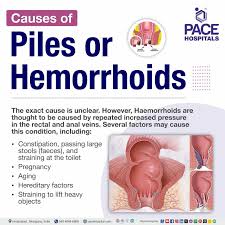
- Straining causes hemorrhoids
- Hemorrhoids cause pain
- Pain leads to avoiding bowel movements
- Avoidance worsens constipation
This cycle can continue unless treated properly.
- How Hemorrhoids Can Make Constipation Worse
While hemorrhoids may not be the root cause, they can worsen constipation symptoms.
- Fear of Pain
People with painful hemorrhoids may delay using the toilet. Holding stool longer makes it harder and drier.
- Swelling and Discomfort
Swollen hemorrhoids can make bowel movements feel blocked or incomplete, increasing straining.
- Reduced Physical Activity
Hemorrhoid pain may reduce movement, and low physical activity can slow digestion.
- Common Causes of Hemorrhoids and Constipation
Many causes overlap between these two conditions.
- Low Fiber Diet
A diet low in fiber leads to hard stools. This increases straining and pressure.
- Dehydration
Not drinking enough water dries out stool and slows bowel movement.
- Prolonged Sitting
Sitting for long periods, especially on the toilet, increases pressure on rectal veins.
- Pregnancy
Pregnancy increases pressure in the pelvic area, raising the risk of both conditions.
- Aging
As people age, digestion slows and vein strength decreases.
- Symptoms Linked to Hemorrhoids and Constipation
Symptoms often overlap, making diagnosis confusing.
Symptoms of Hemorrhoids:
- Pain or discomfort
- Itching around the anus
- Swelling
- Bleeding during bowel movements
Symptoms of Constipation
- Hard or lumpy stool
- Straining
- Bloating
- Feeling of incomplete emptying
When these symptoms appear together, proper treatment is important.
How Doctors Diagnose the Problem;
Doctors usually diagnose these conditions through:
- Medical history
- Physical examination
- Discussion of bowel habits
In some cases, further tests may be needed to rule out other conditions.
- Treatment for Hemorrhoids and Constipation;
Treating both problems together gives the best results.
- Dietary Changes
Diet plays a key role.
- Increase fiber intake from fruits, vegetables, and whole grains
- Drink plenty of water
- Avoid processed foods
Fiber softens stool and reduces straining.
2. Lifestyle Changes
Simple habits can help greatly.
- Exercise regularly
- Avoid sitting on the toilet for long periods
- Respond to the urge to use the bathroom
3. Over-the-Counter Treatments
Doctors may recommend:
- Stool softeners
- Fiber supplements
- Hemorrhoid creams or suppositories
These help ease pain and improve bowel movement comfort.
4. Medical Treatments
In severe cases, medical treatment may be required.
Options include:
- Prescription medications
- Minimally invasive procedures
- Surgery for severe hemorrhoids
- Home Remedies That May Help
Many mild cases improve with home care.
- Warm Sitz Baths
Soaking in warm water reduces pain and swelling.
- Ice Packs
Cold compresses help reduce swelling and discomfort.
- Proper Toilet Habits
Avoid straining and do not rush bowel movements.
Can Treating Constipation Improve Hemorrhoids?
Yes. Treating constipation often leads to improvement in hemorrhoid symptoms.
Soft stool means:
- Less straining
- Less pressure on veins
- Faster healing
This is why doctors focus on bowel health first.
When to See a Doctor:
Seek medical advice if:
- Symptoms last more than a week
- There is heavy bleeding
- Pain becomes severe
- Constipation does not improve
Early treatment prevents complications.
Prevention Tips;
Preventing constipation helps prevent hemorrhoids.
- Eat a high-fiber diet
- Drink enough water
- Stay physically active
- Avoid straining
Healthy habits protect long-term digestive health.
Frequently Asked Questions (FAQs)
- Can hemorrhoids block stool?
Hemorrhoids usually do not physically block stool, but pain can make passing stool difficult.
- Does treating hemorrhoids cure constipation?
Treating hemorrhoids reduces pain, but constipation still needs diet and lifestyle changes.
Can chronic constipation cause hemorrhoids?
Yes. Long-term constipation is one of the main causes of hemorrhoids.
Are hemorrhoids dangerous?
Most hemorrhoids are not dangerous, but persistent symptoms should be checked.
Can children get hemorrhoids from constipation?
Yes. Severe constipation in children can lead to hemorrhoids.
Final Thoughts:
Can hemorrhoids cause constipation is a question with a complex answer. While hemorrhoids usually do not directly cause constipation, they can make bowel movements painful and lead to habits that worsen constipation.
Treating both conditions together through diet, lifestyle changes, and proper care is the most effective approach. If symptoms continue or worsen, professional medical advice is always recommended.