
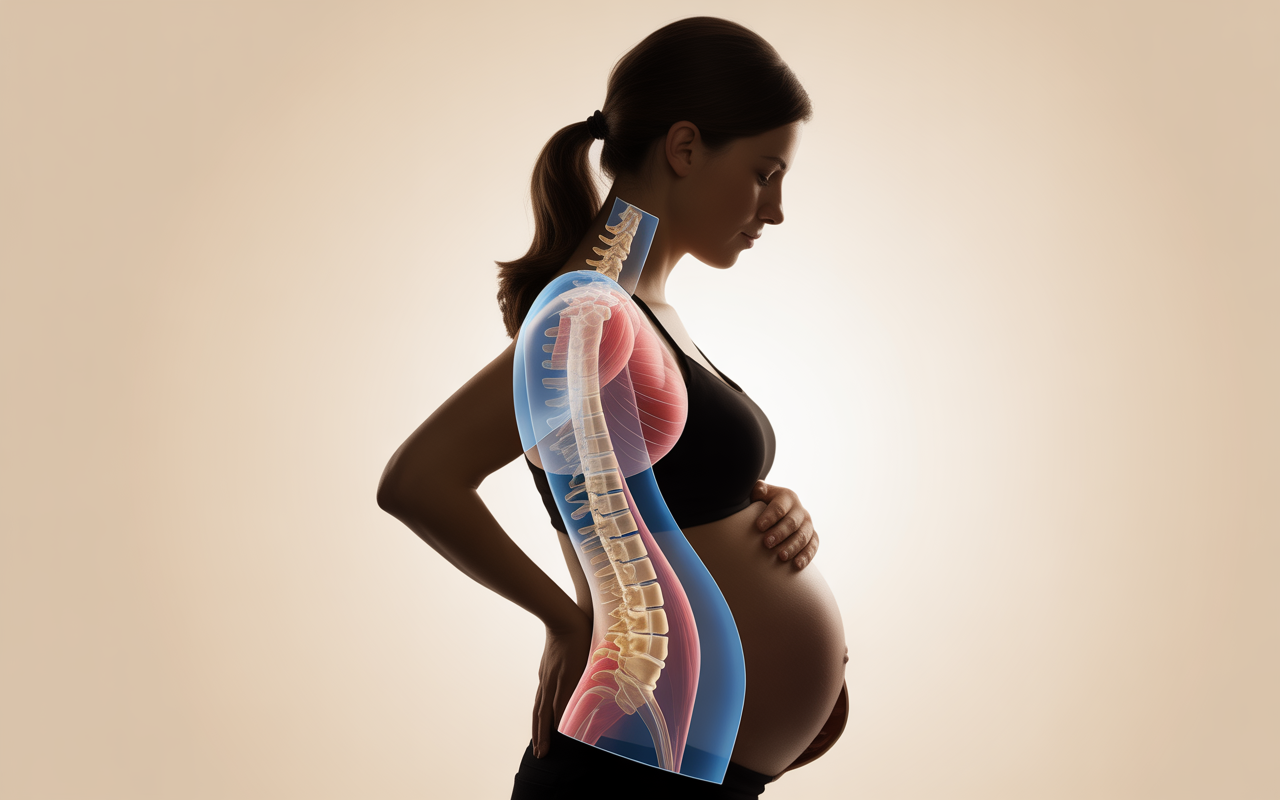
Experiencing upper back pain during pregnancy is more common than many people realize. While most women expect discomfort in the lower back, pain in the upper back, shoulders, and rib area can also appear as the body grows and changes. This type of pain can feel sharp, dull, stiff, or burning. It may come and go, or it may stay for long periods, especially in the second and third trimesters.
In this detailed guide, our team of informational experts explains everything you need to know about upper back pain pregnancy, including its causes, symptoms, and treatments, along with helpful prevention tips. The language is simple, the explanations are clear, and each section is designed to help you understand your body better during this important time.
Understanding Upper Back Pain During Pregnancy
Upper back pain happens when the muscles, joints, ligaments, and bones in your upper spine experience pressure or strain. During pregnancy, your body goes through rapid physical and hormonal changes. As your belly grows and your posture shifts, the upper spine often takes on extra weight and stress.
Upper back pain may appear:
- Around the shoulder blades
- Between the shoulders
- Along the upper spine
- In the rib cage area
- In the neck extending downward
As a pregnancy continues, these areas may feel tight, sore, or overworked because of changes in balance, posture, and breathing patterns.
Main Causes of Upper Back Pain During Pregnancy
Upper back pain has many possible reasons. Below, we explain the most common causes of upper back pain pregnancy, using simple language so you can understand each factor clearly.
1. Changes in Posture
The growing belly shifts your center of gravity forward. To keep balance, many pregnant women lean backward. This shift creates extra pressure on the upper spine and shoulder muscles.
Over time, this can cause:
- Muscle strain
- Tightness in the shoulder blades
- Pain between the shoulders
Poor posture—such as slouching or bending the neck forward—can make the pain even worse.
2. Hormonal Changes (Relaxin Hormone)
During pregnancy, your body releases a hormone called relaxin. Its job is to loosen the joints and ligaments to prepare your pelvis for childbirth.
But relaxin doesn’t work only in the pelvic area. It loosens joints all over the body, including the spine.
When the ligaments in the upper back become looser:
- The spine becomes less stable
- Muscles must work harder
- Overworked muscles become sore or inflamed
This is one of the most common causes of upper back pain during pregnancy.
3. Breast Growth and Weight Changes
Your breasts grow during pregnancy, and this extra weight pulls the shoulders forward. This changes the natural shape of your upper spine, causing strain.
The upper back muscles must support:
- Heavier breasts
- A forward-leaning posture
- More pressure on the shoulders
This can lead to stiffness, soreness, and burning pain in the upper back.
4. Stress and Muscle Tension
Stress affects the body in many ways. When you feel stressed, your body naturally tightens the shoulder and neck muscles.
During pregnancy, emotional or physical stress may cause:
- Muscle knots
- Stiff neck
- Shoulder blade pain
- Upper back tightness
This is why activities like deep breathing and stretching can help reduce symptoms.
5. Sitting or Sleeping Positions
Long hours of sitting—especially with poor posture—can put pressure on the upper back and neck.
Common habits that worsen upper back pain include:
- Sleeping without proper back support
- Using a soft or old mattress
- Sitting on a couch for long periods
- Looking down at a phone or computer
These habits add strain to already sensitive muscles.
6. Rib Cage Expansion
As your baby grows, the rib cage expands to make more room. This expansion can stretch the muscles between the ribs and upper spine, leading to pain in the upper back, ribs, or chest.
Some women describe this as:
- Sharp or stabbing pain
- Pain when breathing deeply
- Pain when lying on one side
Common Symptoms of Upper Back Pain During Pregnancy
The symptoms of upper back pain pregnancy can vary from woman to woman. Some feel mild discomfort, while others experience strong pain that affects daily movement.
Below are the most common symptoms explained simply:
1. Muscle Tightness and Stiffness
Muscles in the upper back may feel tight or stiff, especially after sitting or standing for long periods.
2. Sharp or Dull Pain
Many women feel:
- A dull ache
- A burning sensation
- Sharp pain when moving
- Pain that spreads to the shoulders or neck
3. Upper Back Pain When Sleeping
Pain may worsen when lying down, especially without proper support.
4. Difficulty Moving Neck or Shoulders
Stiffness can limit the ability to turn the neck or lift the arms.
5. Pain Between the Shoulder Blades
This is one of the most common areas affected by pregnancy-related upper back pain.
Effective Treatments for Upper Back Pain During Pregnancy
Treating upper back pain during pregnancy focuses on safe, gentle methods that reduce discomfort. Below, we explain the most effective treatments in a simple and clear way.
1. Stretching Exercises
Stretching helps relax tight muscles and improves flexibility.
Helpful stretches include:
- Shoulder rolls
- Cat-cow stretch
- Chest-opening stretch
- Upper back wall stretch
Try stretching for 5–10 minutes several times a day.
2. Prenatal Yoga
Prenatal yoga helps strengthen the muscles and improve posture. It reduces stress and supports the spine.
Common poses include:
- Child’s pose
- Seated twist
- Cow pose
Always follow a trained prenatal instructor.
3. Heat and Cold Therapy
Applying warm compresses helps relax tight muscles.
Using cold packs helps reduce swelling and inflammation.
Alternate between heat and cold for best results.
4. Pregnancy Massage
A prenatal massage can reduce tension in the upper back and shoulders. It improves blood flow and relieves stress.
Make sure the therapist is trained in prenatal techniques.
5. Good Posture
Using proper posture throughout the day makes a big difference.
Try to:
- Sit up straight
- Keep shoulders relaxed
- Avoid bending your neck forward
- Use a chair with back support
These small changes reduce strain on the upper spine.
6. Supportive Pregnancy Pillows
Pregnancy pillows help support the upper back while sleeping.
You can use:
- A wedge pillow
- A full-body pregnancy pillow
- A firm pillow behind your back
These support your posture and reduce upper back stress.
7. Light Exercise and Walking
Walking helps improve circulation and relax overworked muscles. It also supports healthy weight gain and reduces pressure on the upper spine.
Start with 10–20 minutes a day.
8. Wearing a Supportive Bra
A well-fitted, supportive maternity bra reduces shoulder and upper back pressure caused by breast growth.
Choose a bra with:
- Wide straps
- Firm support
- Soft, breathable material
9. Physical Therapy
A physical therapist can teach safe exercises to reduce pain in the upper back. They may also use gentle techniques to realign the spine and improve mobility.
When to See a Doctor
While upper back pain during pregnancy is usually normal, you should seek medical help if:
- The pain becomes very severe
- You feel numbness or tingling
- The pain spreads to the chest
- You have difficulty breathing
- You experience fever or swelling
- You have a history of spine problems
A doctor can check for rare but serious issues like nerve problems, infections, or gallbladder disease.
Helpful Tips to Prevent Upper Back Pain During Pregnancy
These simple tips can help prevent or reduce upper back discomfort:
Maintain Good Posture
Keep your shoulders relaxed and your back straight.
Avoid Heavy Lifting
If you must lift something, bend your knees—not your back.
Stay Active
Short walks, stretching, and light exercises help keep muscles strong.
Use Supportive Shoes
Avoid high heels. Choose shoes with good arch support.
Take Breaks While Sitting
Stand up and stretch every 30–40 minutes.
Sleep in a Safe Position
Sleeping on your left side with pillows for support reduces pressure on the upper back.
Final Thoughts on Upper Back Pain During Pregnancy
Upper back pain during pregnancy is a common issue caused by posture changes, weight gain, hormonal changes, and physical stress. Understanding the causes, symptoms, and treatments can help you manage the pain safely and effectively.
Remember:
- Use good posture
- Stay active
- Stretch regularly
- Use proper support
- Seek help if the pain becomes severe
Pregnancy brings many changes, but with the right steps, you can reduce discomfort and feel more confident and comfortable throughout your journey.