
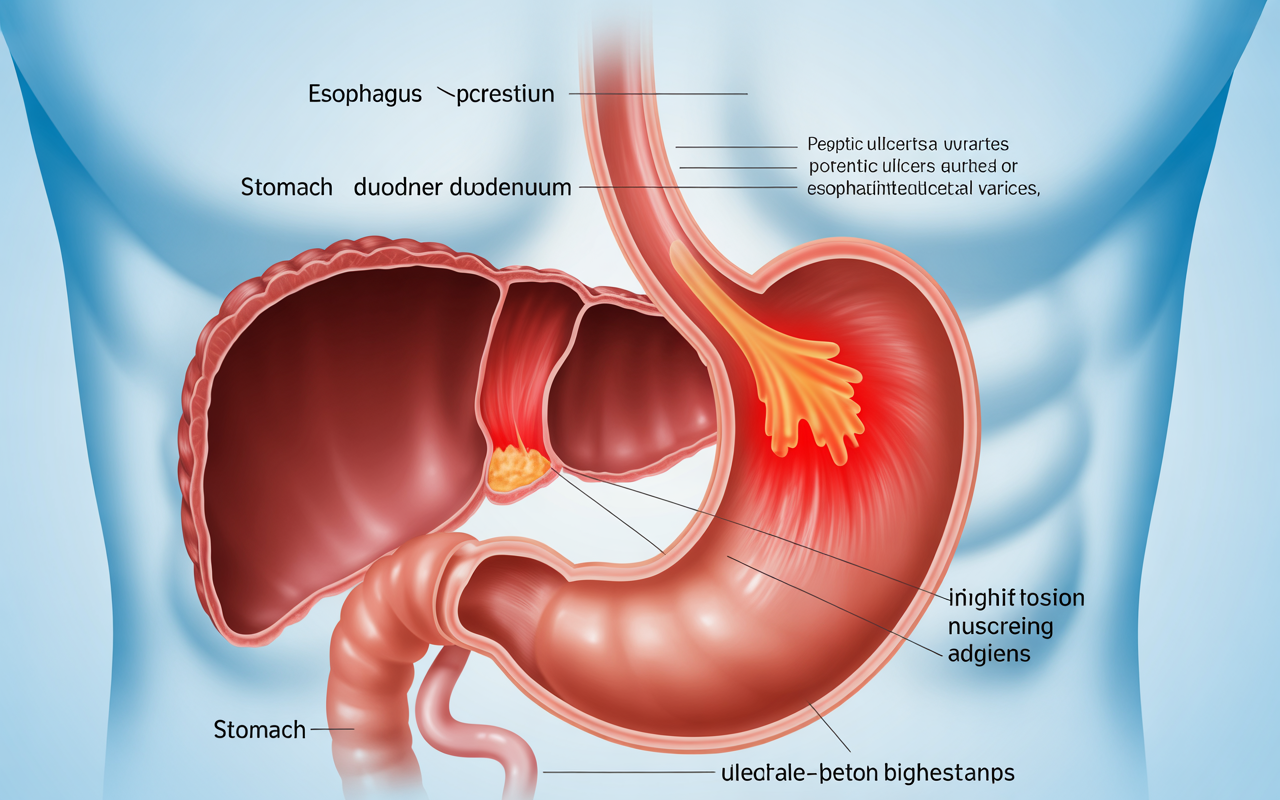
Seeing bleeding in vomiting can be frightening for anyone. Vomit mixed with blood, even in small amounts, is a sign that something is wrong inside the body. It may come from the mouth, throat, stomach, or the upper part of the digestive system. This condition is also known as hematemesis.
Sometimes the amount of blood is tiny, and the cause is not dangerous. But in other cases, it can be a medical emergency. That is why it is important to understand the causes, symptoms, and treatment so you know what to do if it happens.
In this article, our team of informational experts explains everything in simple words so you can easily understand.
What Does Bleeding in Vomiting Look Like?
Bleeding in vomit can look different depending on where the blood is coming from. Some people may see:
- Bright red blood
- Dark brown lumps
- Coffee-ground–like particles
- Pinkish or streaked vomit
Bright red blood often means the bleeding is fresh. Dark or coffee-colored vomit usually means the blood has stayed in the stomach for some time and got mixed with stomach acids.
No matter what it looks like, you should never ignore blood in vomit.
Common Causes of Bleeding in Vomiting
There are many reasons why someone may see blood in their vomit. Some causes are mild, while others are serious. Below are detailed explanations of the most common causes.
1. Tears in the Throat or Food Pipe (Mallory-Weiss Tear)
A Mallory-Weiss tear happens when the lining of the throat or food pipe tears due to strong vomiting. This is common when a person vomits again and again.
The tear usually heals on its own, but it can cause sudden bright red blood in the vomit. People with severe nausea, alcohol use, or constant coughing are more likely to have this problem.
2. Stomach Ulcers
A stomach ulcer is a sore in the lining of the stomach. It forms when stomach acid damages the protective layer. Ulcers are one of the most common causes of bleeding in vomit.
Things that increase ulcer risk include:
- Infection by H. pylori bacteria
- Long-term use of painkillers like ibuprofen
- Too much alcohol
- Stress
- Smoking
When an ulcer bleeds, the vomit may look dark or like coffee grounds.
3. Esophageal Varices
Esophageal varices are enlarged veins in the food pipe. They often happen in people with liver disease. If one of these veins bursts, it can cause heavy bleeding. This type of bleeding can be life-threatening.
Symptoms may include:
- Large amounts of blood in vomit
- Dizziness
- Fainting
- Rapid heartbeat
Immediate medical help is needed.
4. Gastritis
Gastritis means swelling of the stomach lining. It can happen due to:
- Eating spicy foods
- Drinking too much alcohol
- Stress
- Bacterial infections
- Painkillers
Severe gastritis can lead to bleeding. The vomit may have small streaks of blood or look brownish.
5. Nosebleeds (Swallowed Blood)
Sometimes people swallow blood from a nosebleed without noticing. Later, when they vomit, the swallowed blood comes out. This may look like bleeding in vomit but the cause is from the nose, not the stomach.
6. Throat or Mouth Injuries
Any cut or injury in the mouth, gums, or throat can mix with vomit. Even small wounds can make vomit look bloody. This type of bleeding is usually minor.
7. Food Pipe Inflammation (Esophagitis)
Esophagitis happens when the food pipe becomes irritated or swollen. It can be caused by acid reflux, infections, or allergies. In serious cases, the irritation can cause bleeding.
People with acid reflux, GERD, or frequent heartburn have a higher chance of this problem.
Bleeding in Vomit During Pregnancy
Many pregnant women experience nausea and vomiting, especially in the first trimester. In some cases, forceful vomiting can cause a small tear in the food pipe, leading to bleeding in vomit during pregnancy.
Why It Happens During Pregnancy
During pregnancy, vomiting can be strong and frequent due to:
- Morning sickness
- Hyperemesis gravidarum (severe vomiting)
- Hormonal changes
When vomiting becomes intense, tiny blood vessels can break. This causes streaks of blood in the vomit.
Other pregnancy-related causes include:
- Acid reflux
- Sensitivity to certain foods
- Irritation of the throat
Most cases are not dangerous, but if bleeding continues or becomes heavy, medical care is important.
When to See a Doctor During Pregnancy
Pregnant women should contact a doctor if they notice:
- Large amounts of blood in vomit
- Dizziness or weakness
- Severe stomach pain
- Vomiting that does not stop
- Signs of dehydration
Bleeding can sometimes signal a serious problem that needs quick treatment.
Warning Signs You Should Never Ignore
Some symptoms show that the bleeding might be serious. These warning signs include:
- Bright red blood coming out repeatedly
- Vomit that looks like coffee grounds
- Heavy bleeding
- Sharp stomach pain
- Black or tar-like stools
- Fast heartbeat
- Confusion
- Fainting
If any of these symptoms appear, the person needs immediate medical attention.
How Doctors Diagnose the Cause
When you visit a hospital for bleeding in vomiting, the doctor performs several tests to find the exact cause.
1. Medical History
The doctor will ask questions about:
- When the bleeding started
- How much blood was seen
- Drinking habits
- Medications
- Pain or discomfort
2. Physical Examination
The doctor checks for signs of blood loss, dehydration, and abdominal pain.
3. Endoscopy
An endoscopy is a test where a thin tube with a camera is passed through the throat to look inside the stomach. This helps the doctor see ulcers, tears, or swollen veins.
4. Blood Tests
Blood tests show how much blood has been lost and whether the person has an infection or anemia.
5. Imaging Tests
If needed, the doctor may use ultrasound or CT scans to check the digestive organs.
Treatment for Bleeding in Vomiting
The treatment depends on what is causing the bleeding. Here are the most common treatment methods explained in simple words.
1. Fluids and Rest
For minor bleeding caused by vomiting too hard, doctors usually suggest rest and drinking fluids. This helps the body heal.
2. Medications
Doctors often prescribe:
Acid-reducing medicines
These include proton pump inhibitors (PPIs) and antacids. They reduce stomach acid and help ulcers heal.
Antibiotics
If bacteria like H. pylori cause ulcers, antibiotics are used.
Anti-nausea medicines
These help stop vomiting and prevent further tears in the food pipe.
Pain relievers
Safe medicines that do not irritate the stomach may be given.
3. Endoscopic Treatment
If the bleeding is heavy, doctors use special tools during endoscopy to:
- Stop bleeding
- Seal blood vessels
- Remove damaged tissue
This is often used for ulcers or esophageal varices.
4. Blood Transfusion
If a lot of blood has been lost, the patient may need a blood transfusion to restore normal levels.
5. Surgery (Rare Cases)
Surgery is only needed when other treatments fail. It may be done to repair a tear or remove a damaged part of the stomach.
Home Care Tips and Prevention
While medical treatment is important, some home care practices can help prevent further problems.
1. Avoid spicy and oily foods
These foods irritate the stomach lining.
2. Reduce alcohol
Alcohol can cause gastritis and ulcers.
3. Eat small, frequent meals
This helps prevent vomiting and acid buildup.
4. Stay hydrated
Drink water, oral rehydration fluids, or clear liquids.
5. Avoid smoking
Smoking slows healing and increases stomach acid.
6. Do not overuse painkillers
Medicines like ibuprofen and aspirin can cause ulcers.
7. Manage stress
Stress makes stomach problems worse.
Bleeding in Vomiting: Is It Dangerous?
Not all cases are dangerous. Sometimes, a small tear or irritation is the cause. But heavy bleeding or repeated vomiting of blood can be life-threatening.
You should always take bleeding in vomit seriously. It is better to get checked early rather than wait for symptoms to worsen.
When to Seek Emergency Help
Call emergency services or go to the nearest hospital if you notice:
- A large amount of bright red blood
- Black or coffee-colored vomit
- Severe stomach pain
- Trouble breathing
- Confusion or fainting
These are signs of a medical emergency.
Final Thoughts
Bleeding in vomiting is not something to ignore. It can happen due to simple causes like throat irritation or serious issues like stomach ulcers or swollen veins.
Understanding the symptoms, causes, and treatments helps you take the right steps quickly. Whether the person is pregnant, stressed, or dealing with stomach problems, spotting the signs early can prevent complications.
If you or someone near you sees blood in their vomit, getting medical help is the safest and most important action.