
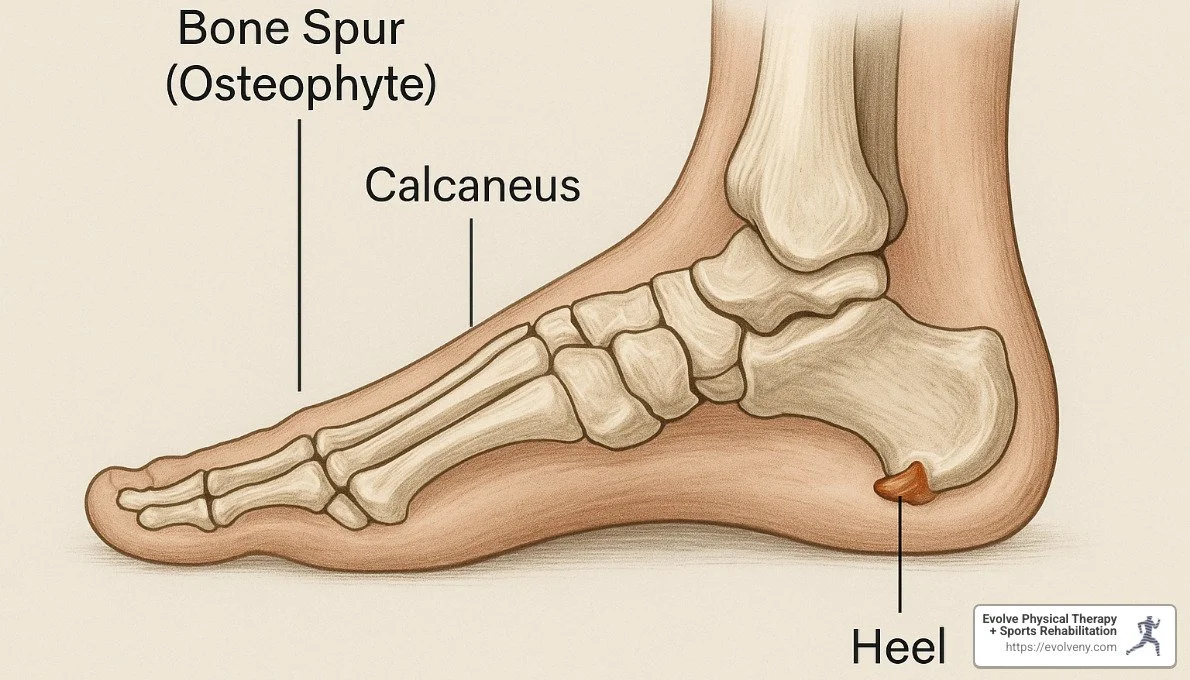
Bone spurs are a common condition, but many people do not understand what they are or what causes them. This guide explains what a bone spur is, the symptoms and causes, how serious bone spurs can be, diagnosis and tests, and whether you can dissolve it naturally. Each section is explained in simple, easy-to-read language so that anyone can understand it.
What Is a Bone Spur?
It, also known as an osteophyte, is a small, extra piece of bone that grows along the edges of your normal bones. They often form where two bones meet, such as in the joints, or where ligaments and tendons attach to the bone.
Most people think a bone spur is a “sharp” point sticking out of the bone, but this is not always true. Many bone spurs are smooth and round. You may not even know you have one because it often causes no pain at all.
It usually develop as the body’s natural reaction to wear and tear, aging, or inflammation. When a joint becomes irritated, the body tries to “repair” it by making extra bone. However, this extra bone can sometimes press on nearby structures like nerves, tendons, or other bones, causing discomfort.
it can appear in many areas of the body, including:
- Spine
- Neck
- Shoulders
- Knees
- Hips
- Feet (especially the heel)
- Fingers and hands
Because it grow slowly, people might live with them for years before noticing any problems.
Symptoms and Causes
It does not always cause symptoms. Many people discover them only after an X-ray for another health issue. But when it press on nearby tissues, they can lead to a wide range of problems.
Common Symptoms
Here are symptoms you may notice if it begins to cause pressure or irritation:
1. Pain
The most common symptom is pain. It may feel dull, sharp, or like pressure. Pain usually occurs when it rubs against nerves or other tissues.
2. Stiffness
it can limit how well a joint moves. You may feel stiffness, especially after resting or in the morning.
3. Swelling
Inflammation around the joint can cause swelling, which may make the area feel warm or tender.
4. Numbness or Tingling
If the spur presses on a nerve, you may feel numbness, tingling, or even weakness. This is very common with bone spurs in the spine and neck.
5. Reduced Movement
Joint movement may become difficult. The spur can physically block smooth motion, causing stiffness or trouble bending or rotating.
6. A Visible Bump
In areas like the fingers, bone spurs can create a small lump that you can see or feel.
7. Heel Pain (Plantar Fasciitis Link)
Heel bone spurs often occur along with plantar fasciitis, causing sharp pain when standing or walking.
Common Causes :
1. Aging
One of the biggest reasons bone spurs form is natural aging. As joints wear down, the body tries to protect them by creating new bone.
2. Osteoarthritis
People with osteoarthritis frequently develop bone spurs. When cartilage breaks down, bone rubs against bone. The body responds by producing extra bone growth.
3. Overuse or Repetitive Stress
Everyday movements that put pressure on joints—such as running, sports, or heavy lifting—can lead to bone spur formation over time.
4. Injuries
A fracture or injury near a joint may cause the body to build extra bone as part of the healing process.
5. Poor Posture
Bad posture can put stress on the neck, spine, and shoulders, encouraging the growth of bone spurs.
6. Obesity
Extra weight creates pressure on the knees, hips, spine, and feet, increasing inflammation and the risk of bone spurs.
7. Genetic Factors
Some people are naturally more likely to develop bone spurs because of their family history.
How Serious Can Bone Spurs Be?
Most it is not dangerous, and many people live with them without symptoms. However, in some cases they can become serious if left untreated.
1. Severe Pain
If it presses directly on a nerve, the pain can become intense and may interfere with walking, bending, or lifting.
2. Nerve Damage
Long-term pressure on a nerve may cause permanent nerve damage if not treated. This is especially important with it in the spine.
3. Joint Damage
It can wear down tendons or cartilage, making joint movement painful and increasing arthritis.
4. Mobility Problems
Large bone spurs in the hips, knees, or feet can affect your ability to walk comfortably.
5. Tendon Tears
Heel bone spurs near the Achilles tendon can increase the risk of tendon tears.
6. Spinal Problems
In the spine, it can narrow the space where nerves travel (a condition called spinal stenosis). This can cause:
- Weakness in legs or arms
- Balance problems
- Loss of coordination
While bone spurs are not life-threatening, they can greatly reduce your quality of life, making early diagnosis and treatment important.
Diagnosis and Tests
If you have symptoms like pain, stiffness, or numbness, a doctor may check for bone spurs using several simple tests.
1. Physical Examination
A doctor will start with a physical exam. They may:
- Check your range of motion
- Look for swelling or tenderness
- Feel for bumps or growths on the bone
2. X-rays
The most common test is an X-ray. Bone spurs are easy to see on X-rays because they are made of bone and show up clearly.
3. MRI Scan
An MRI gives a more detailed view of soft tissues like nerves, ligaments, and muscles. It helps doctors see whether the bone spur is affecting those areas.
4. CT Scan
A CT scan provides a 3D picture of the bones. It’s helpful when the bone spur is in a complex area, such as the spine.
5. Nerve Tests (EMG)
If the doctor thinks a nerve is being affected, they may do an EMG test to check nerve function.
6. Ultrasound
In some cases, an ultrasound can help detect bone spurs in soft-tissue areas like the heel.
These tests help doctors understand the size, location, and impact of the bone spur so they can recommend the right treatment.
How to Dissolve Bone Spurs Naturally
Many people search for ways to dissolve bone spurs naturally without surgery. While natural remedies can help reduce pain, inflammation, and pressure, they cannot melt or dissolve the bone. Bone is a hard tissue, and once a spur forms, it does not dissolve on its own.
However, natural remedies can help manage symptoms and slow down further growth. Below are commonly recommended natural approaches.
1. Anti-Inflammatory Foods
Eating foods that reduce inflammation may relieve pain and discomfort.
Helpful foods include:
- Turmeric
- Ginger
- Omega-3 rich foods (salmon, walnuts, chia seeds)
- Berries
- Leafy greens
These foods help reduce swelling around the joint.
2. Proper Stretching
Gentle stretching helps reduce pressure on joints, especially in the neck, back, and feet.
For example:
- Calf stretches for heel spurs
- Neck stretches for cervical bone spurs
- Lower back stretches for lumbar spurs
3. Ice and Heat Therapy
Using ice reduces swelling, while heat loosens tight muscles. This combination helps reduce symptoms around the spur.
4. Weight Management
Losing even a few pounds reduces stress on the knees, hips, spine, and feet. This can slow spur growth and improve mobility.
5. Supportive Shoes
For heel bone spurs, wearing shoes with good arch support and cushioning helps decrease pressure on the heel.
6. Supplements
Some people use natural supplements like:
- Calcium
- Vitamin D
- Magnesium
- Glucosamine
- Chondroitin
These support bone and joint health. Always check with a healthcare provider first.
7. Physical Therapy
Physical therapy strengthens muscles around the affected joint, improving movement and reducing pain. It is a natural, non-surgical treatment that many doctors recommend.
Important Note:
Natural methods can reduce pain and inflammation, but they cannot remove or dissolve the bone spur. Only surgery can remove a spur if it becomes severe.
Final Thoughts
Bone spurs are common and often harmless. Many people have them without even knowing. But when symptoms appear—such as pain, stiffness, or numbness—they can affect your daily life. Understanding what a bone spur is, knowing the symptoms and causes, and learning how serious bone spurs can be helps you make better health choices.
Diagnosis through tests like X-rays and MRI scans can confirm whether a bone spur is responsible for your symptoms. Natural methods such as stretching, healthy foods, and weight management can reduce discomfort, but they cannot dissolve the bone spur itself.
If symptoms become severe, a doctor can guide you toward treatments that work best for your situation.