
INTRODUCTION
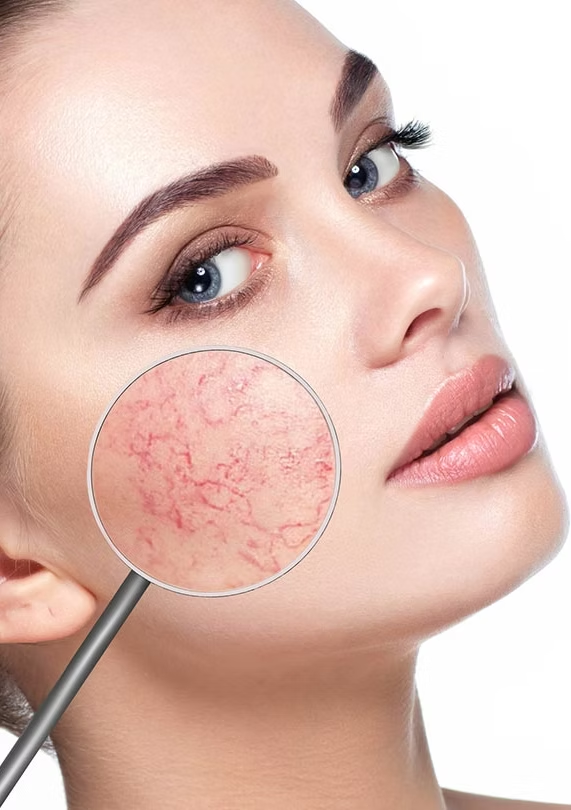
Broken capillaries on the face are a very common skin concern. Many people notice small red or purple lines on their cheeks, nose, or chin. These marks can be confusing and sometimes worrying, especially when they do not fade away.
This article explains everything you need to know about broken capillaries on the face, including what they are, what causes them, how they are treated, and how to prevent them. The information is clear, factual, and easy to understand.
What Is a Broken Capillary?
A broken capillary is a tiny blood vessel near the surface of the skin that has become damaged or enlarged. Capillaries are very small blood vessels that help carry oxygen and nutrients to the skin.
When these vessels weaken or break, they become visible. This creates thin red, pink, or purple lines on the face. These lines are often called facial capillaries, burst blood vessels, or spider veins.
Broken capillaries usually appear on areas where the skin is thin and sensitive. Common spots include:
- The nose
- The cheeks
- The chin
- Around the eyes
Unlike a bruise, a broken capillary does not heal quickly. In many cases, it stays visible unless treated.
It is important to know that broken capillaries are not dangerous. They are mostly a cosmetic issue and do not usually cause pain or health problems.
Causes
There are many reasons why broken capillaries on the face develop. Most causes are related to skin sensitivity, pressure, or repeated damage over time.
- Sun Exposure
Too much sun is one of the biggest causes. UV rays weaken the skin and damage blood vessels. Over time, this makes capillaries more likely to break and show through the skin.
People with fair or thin skin are especially at risk.
- Temperature Changes
Sudden changes from hot to cold can stress blood vessels. For example, going from a warm room into cold air can cause capillaries to expand and contract quickly. This can lead to broken blood vessels on the face.
Skin Trauma
Rubbing, scratching, or squeezing the skin can damage capillaries. This includes:
- Aggressive face washing
- Using rough exfoliants
- Picking at acne
Repeated pressure makes small blood vessels fragile.
- Aging
As we age, the skin becomes thinner and loses support. This makes capillaries more visible and easier to break. Aging skin naturally shows more redness and visible vessels.
- Genetics
Some people are born with skin that is more likely to develop broken capillaries. If family members have visible facial veins, you may be more likely to get them too.
- Rosacea
Rosacea is a common skin condition that causes redness and visible blood vessels. People with rosacea often develop persistent facial capillaries, especially on the cheeks and nose.
- Alcohol and Spicy Foods
Alcohol and spicy foods cause blood vessels to widen. Frequent widening can weaken capillaries over time, leading to permanent redness.
- Hormonal Changes
Hormonal shifts during pregnancy, menopause, or from certain medications can affect blood vessels. This can increase the chance of facial redness and broken capillaries.
Treatment
There are several ways to treat broken capillaries on the face. The right option depends on how noticeable they are and personal skin needs.
- Laser Therapy
Laser treatment is one of the most effective options. It uses focused light to target and collapse broken capillaries. Over time, the body absorbs the damaged vessel.
Laser therapy is usually done by a trained professional. It may take a few sessions for best results.
- Intense Pulsed Light (IPL)
IPL therapy works in a similar way to laser treatment. It uses broad light energy to reduce redness and visible blood vessels.
This method is often used for larger areas of redness and uneven skin tone.
- Topical Treatments
Some creams and serums can help reduce redness and strengthen the skin. These products often include ingredients like:
- Vitamin C
- Niacinamide
- Retinol
While topical treatments cannot remove broken capillaries completely, they may improve the overall appearance of the skin.
- Professional Skincare Treatments
Gentle chemical peels or calming facials can help improve skin texture. These treatments should always be done by a qualified professional to avoid further damage.
- Makeup and Concealers
For those who prefer a non-medical option, color-correcting makeup can help hide broken capillaries. Green-tinted products are often used to neutralize redness.
Prevention
Preventing broken capillaries on the face is often easier than treating them. Simple daily habits can make a big difference.
- Wear Sunscreen Daily
Sun protection is essential. Use a broad-spectrum sunscreen every day, even in cloudy weather. This helps protect blood vessels and keeps skin strong.
- Be Gentle With Your Skin
Avoid harsh scrubs and rough towels. Use gentle cleansers and pat the skin dry. Treat your face with care to avoid unnecessary pressure.
- Avoid Extreme Temperatures
Try to protect your face from cold winds and extreme heat. Cover your face in winter and avoid very hot showers.
- Limit Alcohol and Spicy Foods
Reducing alcohol and spicy foods can help prevent frequent blood vessel widening. This supports healthier skin over time.
- Use Skincare for Sensitive Skin
Choose products labeled for sensitive skin. Avoid strong fragrances and alcohol-based formulas that may irritate blood vessels.
- Maintain a Healthy Lifestyle
A balanced diet, enough water, and proper sleep all support skin health. Healthy skin is better able to protect and support capillaries.
Seeing a Doctor
In most cases, broken capillaries are harmless. However, there are times when seeing a doctor or skin specialist is helpful.
You may want to seek professional advice if:
- Redness suddenly appears and spreads
- Capillaries worsen quickly
- You experience burning or stinging
- You suspect rosacea or another skin condition
A dermatologist can confirm the cause and recommend safe treatment options. Early guidance can prevent further skin damage.
FAQs
Are broken capillaries permanent?
Broken capillaries usually do not go away on their own. Without treatment, they often remain visible. Professional treatments can reduce or remove them.
Do broken capillaries hurt?
No. Broken capillaries on the face are typically painless. They mainly affect appearance, not comfort.
Can broken capillaries heal naturally?
In most cases, they do not heal by themselves. Strengthening the skin can prevent new ones, but existing capillaries usually need treatment.
Are broken capillaries the same as spider veins?
They are very similar. Spider veins is a common term used for visible capillaries, especially on the face and legs.
Can skincare products cause broken capillaries?
Yes. Harsh products, strong exfoliants, or incorrect use of active ingredients can damage capillaries over time.
Is makeup safe to use on broken capillaries?
Yes, as long as the makeup is gentle and removed carefully. Avoid heavy rubbing when applying or removing products.
Can stress cause broken capillaries?
Stress can raise blood pressure and trigger flushing. Over time, this may contribute to visible facial blood vessels.
Final Thoughts
Broken capillaries on the face are a common and manageable skin concern. They are not harmful, but they can affect confidence. Understanding what causes them and how to prevent further damage is the first step toward healthier skin.
With gentle care, sun protection, and professional guidance when needed, it is possible to reduce their appearance and protect your skin for the future.