
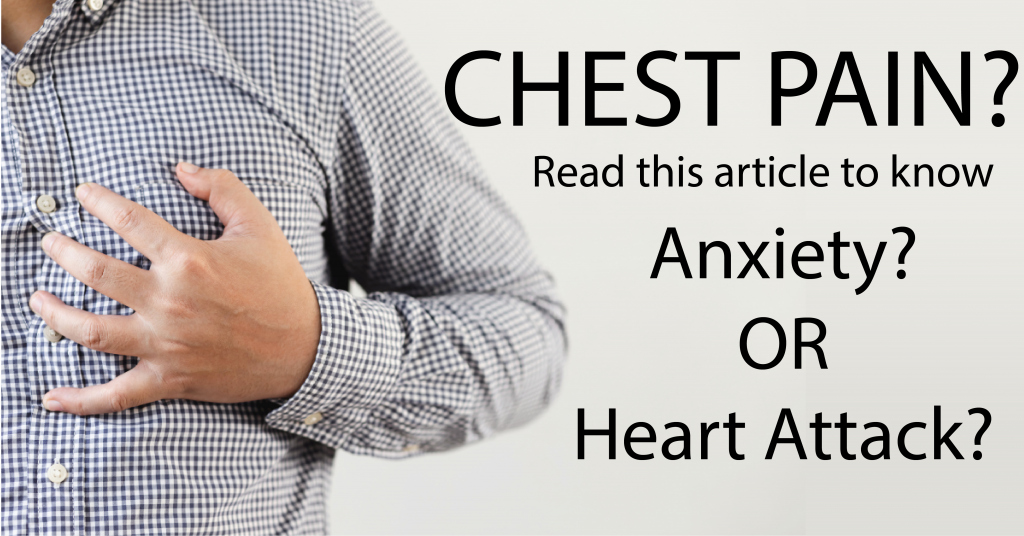
Can anxiety cause chest pain Symptoms, is one of the scariest symptoms a person can experience. Many people fear that chest pain always means a heart problem or a heart attack. But chest pain is not always caused by the heart. In fact, one of the most common causes is anxiety.
Yes — anxiety can cause chest pain. Millions of people who struggle with stress, panic attacks, or anxiety disorders experience chest tightness, sharp aches, or pressure in their chest. These sensations can feel very real and very uncomfortable.
Even though anxiety chest pain is often harmless, it still needs attention because it creates fear, impacts daily life, and sometimes leads to repeated emergency room visits.
This guide explains what anxiety chest pain feels like, how it is different from a heart attack, the symptoms and causes, and the best ways to find relief. The explanations are simple, clear, and detailed so anyone can understand.
What Anxiety Chest Pain Feels Like
Many people describe anxiety chest pain differently. The feeling is not the same for everyone because anxiety affects each person in unique ways. But there are some common sensations that people report.
Anxiety chest pain may feel like:
- A sudden sharp pain in the chest
- A feeling of tightness or pressure
- A dull ache that comes and goes
- A burning sensation
- A heavy weight on the chest
- Trouble taking a full breath
- A squeezing feeling
Some people also feel the pain spreading to the shoulders, back, or jaw. This makes the pain even more frightening because these symptoms sound similar to heart-related problems.
The pain caused by anxiety can appear during a stressful moment, but it can also happen out of nowhere, even when you feel calm. This is why many people think something is seriously wrong.
In many cases, anxiety chest pain comes with other symptoms such as racing heartbeat, shaking, sweating, or dizziness. These additional symptoms often make the person feel even more worried, which then increases the pain. This cycle is common and known as the anxiety-chest-pain loop.
Why Anxiety Causes Chest Pain
To understand why anxiety causes chest pain, it helps to know how the body reacts to stress.
When you feel anxious, your brain sends signals to your body to prepare for danger. This reaction is called the fight-or-flight response. It is a natural response that helps you survive in dangerous situations. But anxiety triggers this response even when there is no real danger.
Here is what happens inside your body:
1. Muscle Tension
When you are anxious, the muscles in your chest become tight. The chest muscles may stay tense for a long time. This creates soreness, discomfort, and sometimes sharp pain.
2. Faster Breathing
Anxiety makes you breathe faster or take shallow breaths. This is called hyperventilation. Hyperventilation causes the chest wall to tighten. It also reduces carbon dioxide in your blood, which leads to dizziness, numbness, and chest pain.
3. Stress Hormones
Your body releases stress hormones like adrenaline and cortisol. These hormones make your heart beat faster. They also increase blood pressure. This sudden change can create pressure or pain in the chest.
4. Esophagus Sensitivity
Anxiety can make your esophagus (the tube from your throat to your stomach) more sensitive. This causes a burning chest sensation that feels like heart pain or acid reflux.
5. Increased Awareness
When you are anxious, you become more aware of your body. Every small sensation feels intense. Even normal muscle movement in the chest can feel like pain.
These physical reactions show that anxiety does not only affect the mind. It affects the entire body. And chest pain is one of the most common physical symptoms.
Anxiety Chest Pain vs. Heart Attack Chest Pain
Because chest pain can be a sign of a serious problem, many people wonder how to tell the difference between anxiety chest pain and heart attack pain.
Even though the two types of pain can feel similar, there are important differences.
Below is a simple, clear comparison:
1. Onset (How Fast the Pain Starts)
- Anxiety Chest Pain: Usually comes on suddenly, often during stress or panic.
- Heart Attack Pain: Often builds slowly and steadily over a few minutes.
2. Location of Pain
- Anxiety: Pain is often sharp and located in a small area.
- Heart Attack: Pain is usually pressure-like and spreads to the left arm, jaw, or back.
3. Type of Pain
- Anxiety: Sharp, stabbing, or tight.
- Heart Attack: Crushing, squeezing, or heavy.
4. Duration
- Anxiety: Can last a few minutes or several hours, especially if stress continues.
- Heart Attack: Typically lasts longer than 10-15 minutes and does not improve with rest.
5. Triggers
- Anxiety: Stress, fear, panic, or worry.
- Heart Attack: Physical exertion, high activity, or sometimes no trigger at all.
6. Additional Symptoms
- Anxiety: Rapid heartbeat, sweating, shaking, dizziness, shortness of breath, fear of dying.
- Heart Attack: Nausea, vomiting, pain in left arm or jaw, cold sweats, extreme weakness.
Even with these differences, never ignore chest pain. If you are unsure whether the pain is from anxiety or something serious, always seek medical help. It is better to be safe.
Other Symptoms of Anxiety Chest Pain
Chest pain rarely appears alone. Most people also experience other symptoms because anxiety affects many parts of the body.
Common symptoms that appear with anxiety chest pain include:
- Shortness of breath
- Fast heartbeat or palpitations
- Sweating or chills
- Shaking or trembling
- Feeling faint or lightheaded
- Dry mouth
- Stomach discomfort
- Fear of losing control
- Feeling of doom
- Numbness in hands or face
- Tingling sensation
These symptoms can happen during a panic attack, a moment of stress, or even when you are resting. When the symptoms come suddenly and intensely, many people believe they are having a heart attack. But the cause is usually anxiety.
Causes of Anxiety Chest Pain
Several reasons explain why anxiety chest pain happens. Understanding these causes can help you gain control and reduce fear.
1. Panic Attacks
A panic attack is a sudden wave of fear. During a panic attack, your body goes into full fight-or-flight mode. The chest muscles tighten. Breathing becomes fast. The heart speeds up. All these reactions create chest pain.
2. Generalized Anxiety Disorder (GAD)
People with GAD feel anxious frequently. Their muscles stay tense for long periods. Long-term muscle tension causes soreness and chest discomfort.
3. Stress and Overthinking
Stress makes the body work harder. Overthinking keeps the mind active and increases tension in the chest area. Long-term stress often leads to chronic chest pain.
4. Trauma or PTSD
People with past trauma often become more sensitive to sensations in their body. Their nervous system reacts quickly to stress, which creates chest pain.
5. Social Anxiety
Stressful social situations may trigger hyperventilation. Breathing changes lead to chest pain and tightness.
6. Health Anxiety
People who worry about their health often focus on their chest or heart. This worry increases tension and creates real physical pain.
7. Lifestyle Factors
Some habits increase the chance of anxiety chest pain:
- Poor sleep
- Caffeine
- Alcohol
- Smoking
- Lack of exercise
- Skipped meals
These habits make the nervous system more sensitive and increase anxiety-related symptoms.
How Long Does Anxiety Chest Pain Last?
Anxiety chest pain can last:
- A few seconds
- Several minutes
- Several hours
- Or come and go throughout the day
If the pain is connected to a panic attack, it usually lasts 10 to 20 minutes. But muscle tension and shallow breathing can cause mild chest pain for much longer — even after the panic attack ends.
When to Seek Medical Help
Even though anxiety chest pain is common and often harmless, it is still important to know when to get help.
Seek immediate medical care if:
- The pain is intense or crushing
- The pain spreads to your arm, jaw, or back
- You have trouble breathing
- You feel extremely weak
- You have chest pain during physical activity
- You have heart disease risks (diabetes, high blood pressure, smoking, obesity)
- You are unsure whether the pain is from anxiety
A doctor can run tests to confirm your heart is healthy. Once that is established, managing anxiety becomes much easier.
Treatment for Anxiety Chest Pain
The good news is that anxiety chest pain is treatable. There are many ways to reduce the pain, calm the body, and prevent future episodes.
1. Breathing Exercises
Slow breathing is one of the best ways to stop anxiety chest pain. When you breathe slowly, the body relaxes and the pain decreases.
Try this exercise:
- Breathe in slowly for 4 seconds.
- Hold for 2 seconds.
- Breathe out for 6 seconds.
- Repeat for 2–3 minutes.
This reduces hyperventilation and relaxes chest muscles.
2. Relaxation Techniques
These techniques help release muscle tension:
- Progressive muscle relaxation
- Meditation
- Light stretching
- Yoga
- Warm showers
These methods calm both the body and mind.
3. Reduce Caffeine and Sugar
Caffeine and sugar increase heart rate. They can trigger anxiety and chest pain. Reducing them helps calm the nervous system.
4. Stay Active
Exercise is one of the most effective ways to reduce anxiety. It improves breathing, reduces tension, and boosts mood.
5. Improve Sleep
Poor sleep makes anxiety worse. Good sleep helps the heart and muscles relax, reducing chest pain.
6. Cognitive Behavioral Therapy (CBT)
CBT helps you understand your fears and thoughts. It teaches you how to control anxiety before it becomes severe. Many people experience fewer chest pain episodes after therapy.
7. Medications
If anxiety is strong and affects daily life, a doctor may prescribe:
- Anti-anxiety medications
- Antidepressants
- Beta-blockers for heart-related symptoms
These medicines help the body stay calm and prevent anxiety attacks.
8. Grounding Techniques
Grounding exercises help you stay in the present moment. They calm your mind and reduce physical symptoms.
Try this method:
- Name 5 things you can see
- Name 4 things you can touch
- Name 3 things you can hear
- Name 2 things you can smell
- Name 1 thing you can taste
This shifts your focus away from chest pain.
How to Prevent Anxiety Chest Pain
Prevention is key to reducing future episodes. These habits help keep your mind and body stable:
1. Practice daily relaxation
Even 5 to 10 minutes of relaxation can prevent chest pain.
2. Exercise regularly
A calm body creates a calm mind.
3. Eat balanced meals
Skipping meals increases stress and tension.
4. Limit caffeine
Replace coffee with herbal tea or water.
5. Build a sleep routine
Sleep repairs the nervous system.
6. Stay hydrated
Dehydration increases heart rate and anxiety.
7. Talk to someone
Sharing your feelings reduces stress.
8. Seek therapy if needed
Therapy gives long-term tools to control anxiety.
Final Thoughts: Can Anxiety Cause Chest Pain?
Yes — anxiety can cause chest pain, and it is extremely common. The pain may feel sharp, tight, heavy, or pressure-like. It can be very scary, but it is usually not dangerous.
Understanding what anxiety chest pain feels like, knowing how it differs from heart attack pain, and learning the symptoms, causes, and treatments can help you feel more in control.
Remember, chest pain should not be ignored. A medical checkup can give you peace of mind and rule out heart problems. Once you know your heart is healthy, managing anxiety becomes easier.
With the right habits, breathing techniques, lifestyle changes, and support, anxiety chest pain can improve — and you can feel normal again.