
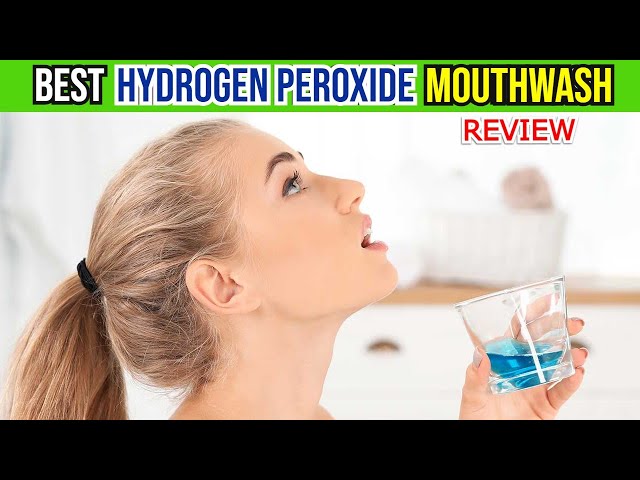
Using hydrogen peroxide mouthwash has become a popular home remedy for people who want a cleaner mouth, whiter teeth, or relief from minor mouth problems. Many households already keep a brown bottle of hydrogen peroxide for cleaning wounds, so it feels normal to use it for oral care too. But even though this product looks simple, it is still a powerful chemical, and it must be used carefully to protect your mouth, gums, and overall health. In this guide, our team of expert-style informational writers explains how to gargle hydrogen peroxide, the health benefits, the risks, and the safest way to use it—if you choose to use it at all.
What Is Hydrogen Peroxide and Why Do People Use It as a Mouthwash?
Hydrogen peroxide is a clear, slightly bubbly liquid made of water and oxygen. In stores, it is usually sold in a 3% hydrogen peroxide solution, which is meant for general household use. Some people use it as a mouthwash because it has antimicrobial properties, which means it can help kill some bacteria. When hydrogen peroxide touches the mouth tissues, it releases oxygen. This bubbling action can help lift away debris, food, and plaque. For this reason, many people think it is helpful for oral hygiene, gum health, and whitening teeth.
However, even though hydrogen peroxide mouthwash can be useful in certain cases, it is not as gentle as normal mouthwash. The mouth’s tissues are very sensitive. Strong chemicals can irritate or damage them. That’s why understanding the right way to use it, along with the risks, is extremely important. You should never treat hydrogen peroxide like a daily rinse unless a dentist tells you to. It is better to think of it as a temporary cleaner, not a long-term routine product.
How to Gargle Hydrogen Peroxide Safely
Many people look up how to gargle hydrogen peroxide, but they do not always understand that using it the wrong way can hurt the mouth. The most important rule is that hydrogen peroxide should always be diluted before using it as a mouthwash. Never use the liquid directly from the bottle and never swallow any amount of it.
When used correctly, gargling hydrogen peroxide may help clean the throat and mouth. Some people use it when they have mild mouth irritation or want to freshen their breath. But it should only be used in small amounts and for short periods. Also, you should avoid using it if your mouth has open sores, cuts, or if your gums bleed easily. The tissue can become more irritated and take longer to heal.
Before you try gargling with hydrogen peroxide, remind yourself that it is not a normal mouthwash. It is a chemical cleaner with potential side effects. If your goals are simple, like getting fresher breath or healthier gums, a safer alternative mouthwash is usually better. Only use hydrogen peroxide when you fully understand the risks and follow basic safety recommendations.
Health Benefits of Gargling Hydrogen Peroxide
Even though hydrogen peroxide should be used with caution, there are a few health benefits of gargling hydrogen peroxide when it is done correctly. People often choose it because it can help with several oral care needs:
1. Helps Reduce Bacteria in the Mouth
Hydrogen peroxide can break down and kill some harmful bacteria. Many people use it when they feel like their mouth needs a deeper clean. The bubbling action helps remove plaque, food particles, and debris. This can create a fresher feeling in the mouth.
2. Helps Reduce Minor Mouth Irritation
The gentle cleaning effect may help soothe small irritations such as minor gum swelling or irritation from braces or dental work. It can also help remove mucus buildup in the throat.
3. Helps Whiten Teeth Over Time
Hydrogen peroxide is used in many professional whitening treatments, though those treatments use special formulas. When used at home, a very diluted rinse can help reduce surface stains on teeth by removing plaque. However, the whitening effects are usually mild and slow. It is not a substitute for dentist-approved whitening options.
4. Helpful for Mild Bad Breath
Because hydrogen peroxide reduces bacteria, it can help improve bad breath caused by bacterial buildup. It also releases oxygen, which creates a cleaner environment in the mouth.
5. May Help During Sickness
Some people use hydrogen peroxide mouthwash when they have a mild sore throat because it removes mucus and germs from the throat area. It does not cure any illness, but it may make the throat feel cleaner for a short time.
While these benefits might sound helpful, it is important to remember that there are safer alternatives for nearly all of these results. Good brushing, flossing, and dentist-approved mouthwashes usually work better and with fewer risks.
Are There Any Risks of Using Hydrogen Peroxide as a Mouthwash?
Yes, there are several risks, and they are important to understand. People often think hydrogen peroxide is harmless because it is sold in drugstores, but it can still damage the mouth if used incorrectly.
1. Mouth and Gum Irritation
Hydrogen peroxide can make your gums feel sore, cause redness, or create a slight burning feeling. If it is too strong or used too often, it can damage the soft tissues inside your mouth.
2. Tooth Sensitivity
Using hydrogen peroxide too frequently can make your teeth feel more sensitive to cold or hot foods. This happens when the peroxide wears down the protective layer on the teeth.
3. Delayed Healing
Instead of helping the mouth heal, using hydrogen peroxide on cuts or sores can slow down healing. It is too strong for open wounds inside the mouth.
4. Damage to Enamel with Overuse
Frequent rinsing can slowly wear away tooth enamel, the protective outer layer of teeth. This increases risk of cavities.
5. Upset Stomach or Nausea if Accidentally Swallowed
Even small amounts swallowed by accident can cause nausea or stomach discomfort. Hydrogen peroxide is not meant to be ingested in any form.
6. Not Safe for Children
Children may accidentally swallow the rinse, which can be dangerous. They also have more sensitive tissues in their mouth, making irritation more likely.
Because of these risks, you should never use hydrogen peroxide mouthwash every day or as a long-term routine. It is best used gently and rarely, and only when needed.
Who Should Avoid Using Hydrogen Peroxide Mouthwash?
Not everyone can safely use hydrogen peroxide as a mouthwash. Some people have a higher chance of irritation or negative reactions. You should avoid using it if:
- You have gum disease, bleeding gums, or very sensitive gums
- You have mouth ulcers, cold sores, or open cuts in the mouth
- You are pregnant, unless a doctor approves
- You have had recent oral surgery
- You have asthma, which can be triggered by harsh fumes
- You are using orthodontic treatments that already irritate the mouth
- You are a child or teenager (unless a dentist says it’s okay)
If you have any doubts about whether it is safe for you, talk to a dentist. They can guide you toward better alternatives.
How Often Can You Use Hydrogen Peroxide Mouthwash?
Many people wonder how regularly they can use hydrogen peroxide for oral care. It is important to remember that this rinse is not meant for daily or long-term use. Dentists usually recommend using diluted hydrogen peroxide only for short periods, such as a few days at a time, and only when necessary. Overusing it can cause irritation, weaken enamel, and harm gum tissue.
If your mouth often feels irritated, swollen, or infected, do not rely on hydrogen peroxide as a regular solution. Instead, make an appointment with a dental professional to find the real cause. Using peroxide too often can hide symptoms while making the problem worse.
Safer Alternatives to Hydrogen Peroxide Mouthwash
If you want the same benefits without the risks, there are many safer and more comfortable options:
1. Alcohol-Free Mouthwash
These products kill bacteria, freshen breath, and protect gums without causing irritation.
2. Salt-Water Rinse
A simple mix of warm water and salt can help with mouth irritation and oral cleanliness with no harsh chemicals.
3. Baking Soda Rinse
This can help neutralize acids in the mouth and freshen breath gently.
4. Professional Whitening Products
If your main goal is whiter teeth, dentist-approved kits or whitening strips work better and more safely.
5. Improved Daily Oral Habits
Brushing twice a day, flossing, and using a tongue scraper can keep the mouth clean without any harsh side effects.
While hydrogen peroxide has benefits, these options are safer for everyday use.
Final Thoughts: Should You Use Hydrogen Peroxide Mouthwash?
Hydrogen peroxide mouthwash can be useful for certain temporary situations, such as cleaning mild irritation or reducing bacteria. It can also make your mouth feel fresher and cleaner when used properly. However, because it is a strong chemical, it comes with several risks. These include gum irritation, tooth sensitivity, and enamel damage. It should never be used daily and must always be used carefully.
If you choose to try gargling hydrogen peroxide, be sure you understand the correct way to use it and the possible dangers. And if you have ongoing mouth issues, it is always smarter to talk to a dentist instead of trying to fix the problem at home.
In the end, hydrogen peroxide mouthwash is a product that can help—but only when used cautiously, rarely, and with full understanding of the risks. For regular oral care, safer and gentler options are almost always better.