
INTRODUCTION
Testosterone plays a huge role in how our bodies and minds work. It is not only responsible for physical traits like muscle growth, energy, and strength, but it also deeply affects how we feel, think, and behave. When testosterone levels drop, it can cause major changes in both mental and emotional health.
In this article, we will explore the relationship between low testosterone and mental health, the history, types, causes, and treatments of low testosterone, and how Testosterone Replacement Therapy (TRT) may help improve overall well-being.
What Is Testosterone?
Testosterone is a hormone mainly produced in the testes in men and in smaller amounts in the ovaries in women. It is part of a group of hormones called androgens.
This hormone supports many important functions in the body, such as:
- Building muscle mass and bone density
- Supporting energy levels
- Controlling sex drive
- Influencing mood and mental clarity
When testosterone levels drop below normal, it can lead to a condition known as low testosterone or hypogonadism.
A Brief History of Testosterone Research
The history of testosterone goes back to the 19th and early 20th centuries when scientists first began studying male hormones.
- In 1849, a scientist named Arnold Adolph Berthold performed one of the earliest experiments by studying the effects of testicular extracts in roosters.
- In 1935, researchers successfully isolated and identified testosterone for the first time. This discovery opened the door to modern hormone therapy.
- By the 1940s, testosterone therapy began to be used to treat men with hormone deficiencies.
- Over time, scientists discovered that testosterone affects not only physical health but also mental and emotional well-being.
Today, TRT (Testosterone Replacement Therapy) is widely used as a treatment for low testosterone, with ongoing research improving how it’s given and monitored.
Understanding Low Testosterone
Low testosterone occurs when the body does not produce enough of the hormone to maintain normal functions.
Normal testosterone levels in adult men usually range between 300 to 1,000 ng/dL (nanograms per deciliter). When levels fall below this range, symptoms may appear.
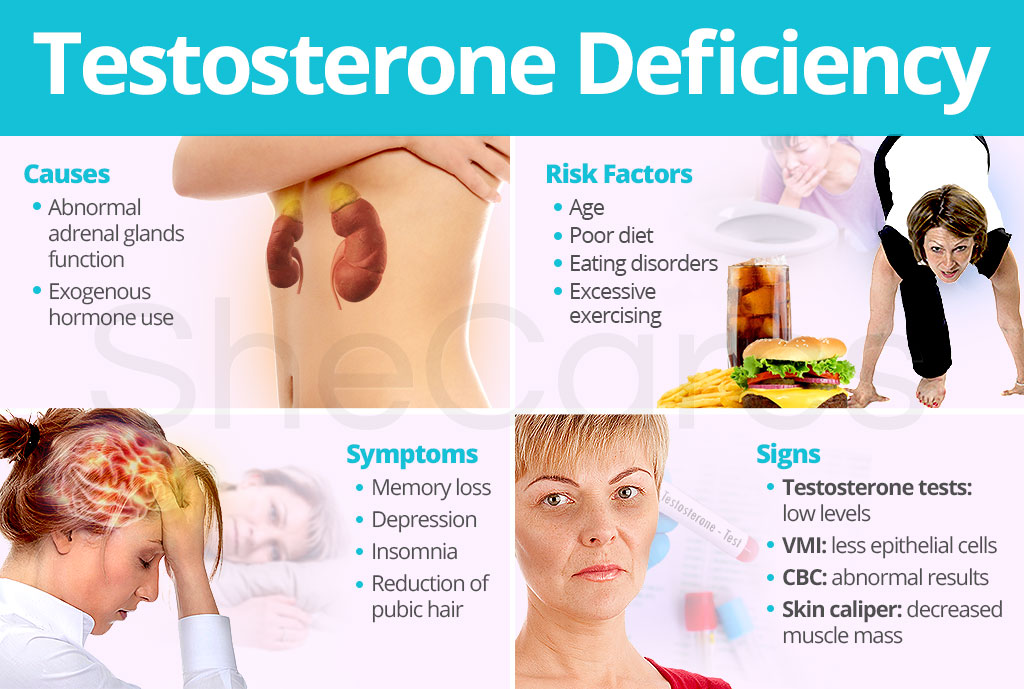
Common Symptoms of Low Testosterone
Low testosterone can affect both the body and the mind. Some of the most common symptoms include:
- Fatigue and low energy
- Depression and mood swings
- Irritability or lack of motivation
- Reduced muscle mass
- Weight gain or increased body fat
- Low libido and sexual dysfunction
- Difficulty concentrating or “brain fog”
These symptoms can have a powerful impact on mental health, sometimes leading to anxiety, depression, and decreased quality of life.
The Link Between Low Testosterone and Mental Health
The connection between testosterone and mental health is complex but very real. Hormones have a major influence on how our brains function. Low testosterone can affect neurotransmitters like serotonin, dopamine, and GABA, which help regulate mood and emotions.
1. Low Testosterone and Depression
Studies have shown that men with low testosterone are more likely to experience depression. This may happen because testosterone helps maintain positive mood, energy, and motivation.
When levels drop, people may feel sad, hopeless, or uninterested in activities they once enjoyed.
2. Low Testosterone and Anxiety
Hormonal imbalance can also increase anxiety. Testosterone has a calming effect on the nervous system. When it’s too low, stress responses become stronger, making people more prone to worry and nervousness.
3. Low Testosterone and Cognitive Function
Low testosterone can cause problems with memory, focus, and mental clarity. Many men describe this as “brain fog.” This happens because testosterone supports blood flow and neuron function in the brain.
4. Low Testosterone and Sleep
Poor sleep quality is another mental health concern linked to low testosterone. Lack of sleep can make symptoms like fatigue, depression, and irritability even worse — creating a difficult cycle to break.
Causes of Low Testosterone
There are many possible causes of low testosterone, both natural and medical. Understanding them helps with early detection and effective treatment.
1. Aging
Testosterone levels naturally decline with age. After about age 30, levels drop about 1% per year. This slow decrease can cause gradual changes in mood, energy, and mental health.
2. Medical Conditions
Certain diseases and conditions can lead to low testosterone, such as:
- Obesity
- Type 2 diabetes
- Thyroid problems
- Liver or kidney disease
- Testicular injury or infection
3. Medications and Lifestyle Factors
Some medications (like steroids or opioids) can reduce testosterone production.
Stress, lack of sleep, poor diet, and excess alcohol use also negatively affect hormone balance.
Types of Testosterone Deficiency
Doctors often classify low testosterone into two main types:
1. Primary Hypogonadism
This happens when the testes do not produce enough testosterone due to damage or genetic conditions.
Common causes include injury, infection, or medical treatments like chemotherapy.
2. Secondary Hypogonadism
Here, the problem lies in the brain — specifically the pituitary gland or hypothalamus — which controls hormone production.
This type can be caused by stress, illness, or certain medications.
Diagnosis: How Is Low Testosterone Detected?
To confirm low testosterone, doctors usually perform:
- Blood tests — to measure testosterone levels, typically in the morning when they’re highest.
- Physical exams — to check for physical symptoms.
- Mental health evaluations — to understand mood and cognitive changes.
Accurate diagnosis is essential before beginning any treatment, especially Testosterone Replacement Therapy (TRT).
Testosterone Replacement Therapy (TRT): A Modern Treatment
TRT is a treatment designed to restore testosterone levels to a normal range. It helps improve both physical and mental symptoms of low testosterone.
Types of TRT
There are several types of TRT, each with its own benefits:
- Injections – Testosterone is injected into the muscle every 1–2 weeks.
- Gels or Creams – Applied to the skin daily for steady absorption.
- Patches – Worn on the body to deliver testosterone gradually.
- Pellets – Implanted under the skin for long-term release (usually 3–6 months).
- Oral Pills – Less common, but some new forms are available.
How TRT May Help Improve Mental Health
When testosterone levels are restored, many men report significant improvements in mood, focus, and energy. Here’s how TRT can support mental health:
1. Boosts Mood and Reduces Depression
TRT can help increase levels of dopamine and serotonin, which are known as “feel-good” chemicals in the brain. This can lift mood and reduce feelings of sadness or emptiness.
2. Improves Energy and Motivation
Many people with low testosterone feel constantly tired. TRT often restores energy and motivation, making daily tasks easier to handle.
3. Enhances Focus and Memory
Balanced hormone levels improve cognitive function and mental sharpness. Users of TRT often report better focus, clearer thinking, and less brain fog.
4. Reduces Anxiety and Stress
By calming the body’s stress response, TRT can help reduce anxiety and improve emotional balance.
5. Supports Better Sleep
TRT may help regulate sleep cycles, reducing fatigue and improving overall mental health.
Potential Risks and Side Effects of TRT
Although TRT has many benefits, it must be used carefully under medical supervision. Possible side effects include:
- Acne or oily skin
- Fluid retention
- Increased red blood cell count
- Mood swings
- Infertility (due to reduced sperm production)
Regular checkups and blood tests help manage these risks safely.
Natural Ways to Support Healthy Testosterone
Even without medication, certain lifestyle changes can help maintain healthy hormone levels:
- Exercise regularly, especially strength training
- Eat a balanced diet rich in proteins, healthy fats, and vegetables
- Get enough sleep (7–9 hours a night)
- Reduce stress through relaxation or meditation
- Avoid smoking and excessive alcohol
These steps can support both testosterone balance and mental well-being naturally.
The Future of Testosterone Therapy
As research continues, new types of TRT and personalized hormone treatments are being developed. The goal is to make therapy more effective, safe, and suited to each person’s unique body chemistry.
Modern studies are also exploring how testosterone interacts with other hormones like cortisol (the stress hormone) and estrogen, providing a deeper understanding of its impact on mental health.
Final Thoughts
The relationship between low testosterone and mental health is an important but often overlooked topic. Low testosterone doesn’t just affect physical strength — it can deeply influence mood, focus, motivation, and overall happiness.
With proper diagnosis and treatment, including Testosterone Replacement Therapy (TRT) when appropriate, many men can experience a significant improvement in their mental and emotional well-being.
Balancing hormones isn’t just about restoring energy — it’s about restoring quality of life