
Normal blood pressure is one of the most important signs of good health. It shows how well your heart and blood vessels are working. Many people hear the term often, but they do not fully understand what it means, what the numbers show, or why it matters at different ages and for women.
This guide explains normal blood pressure, its types and ranges, and what is normal blood pressure by age in a simple and clear way.
What Is Normal Blood Pressure?
Blood pressure is the force of blood pushing against the walls of your arteries as your heart pumps. Every time your heart beats, it sends blood through these vessels to supply oxygen and nutrients to your body.
Normal blood pressure means this force is at a healthy level. It is not too high and not too low. When blood pressure stays in the normal range, the heart does not have to work too hard. This lowers the risk of serious health problems.
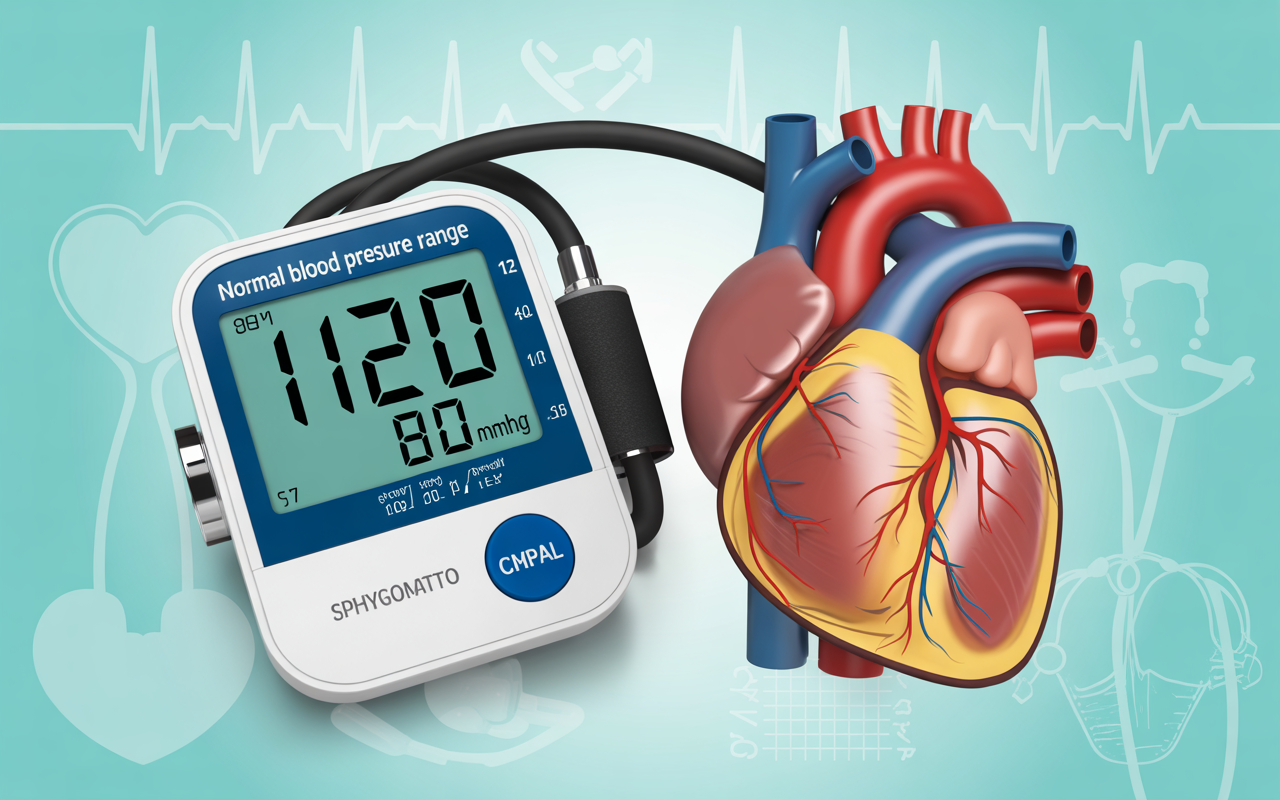
Blood pressure is written using two numbers, such as 120/80 mmHg.
- The top number is called systolic blood pressure
- The bottom number is called diastolic blood pressure
A normal blood pressure reading for most adults is around 120/80 mmHg.
Understanding Blood Pressure Numbers
To truly understand normal blood pressure, it is important to know what the numbers mean.
Systolic blood pressure shows the pressure in your arteries when the heart beats and pumps blood. This number is always higher.
Diastolic blood pressure shows the pressure in your arteries when the heart rests between beats.
Both numbers matter. Even if one number is normal and the other is not, it can still mean a blood pressure problem.
Doctors use these numbers to check heart health, blood flow, and overall cardiovascular health.
Types of Blood Pressure and Their Ranges
Blood pressure is divided into types and ranges to help doctors understand a person’s risk level. These categories apply mainly to adults.
Normal Blood Pressure
Normal blood pressure is when:
- Systolic is less than 120
- Diastolic is less than 80
This range means the heart and blood vessels are working well.
Elevated Blood Pressure
Elevated blood pressure means:
- Systolic is 120–129
- Diastolic is less than 80
This is not high blood pressure yet, but it is a warning sign. Without lifestyle changes, it may turn into hypertension.
High Blood Pressure (Hypertension Stage 1)
This stage means:
- Systolic is 130–139
- Diastolic is 80–89
At this level, the risk of heart disease and stroke begins to increase.
High Blood Pressure (Hypertension Stage 2)
This stage means:
- Systolic is 140 or higher
- Diastolic is 90 or higher
This condition needs medical care and lifestyle changes.
Low Blood Pressure (Hypotension)
Low blood pressure happens when readings fall below 90/60 mmHg. It can cause dizziness, weakness, and fainting in some people.
What Is Normal Blood Pressure by Age?
Normal blood pressure by age can vary slightly because the body changes over time. Blood vessels become less flexible as people grow older, which can affect readings.
Normal Blood Pressure for Children
Children usually have lower blood pressure than adults. Normal levels depend on age, height, and gender.
- Young children often have readings around 90/60
- Teenagers may have readings closer to 110/70
Doctors use special charts to decide what is normal for children.
Normal Blood Pressure for Adults (18–59 Years)
For most healthy adults:
- 120/80 mmHg is considered normal
- Anything below this range is generally healthy
Maintaining this level reduces the risk of heart disease, stroke, and kidney problems.
Normal Blood Pressure for Older Adults (60+ Years)
In older adults:
- Systolic pressure may be slightly higher
- Readings up to 130/80 mmHg are often acceptable
Doctors focus more on symptoms and overall health rather than just numbers.
Normal Blood Pressure for Women
Normal blood pressure for women is generally the same as for men, but certain life stages can affect it.
Blood Pressure in Young Women
Young women often have slightly lower blood pressure than men. This is usually due to hormonal differences and body structure.
A reading near 110/70 mmHg is common and healthy.
Blood Pressure During Pregnancy
During pregnancy:
- Blood pressure may drop slightly in early stages
- It may rise again in the third trimester
Doctors carefully monitor blood pressure to prevent conditions like pregnancy-induced hypertension or preeclampsia.
Blood Pressure After Menopause
After menopause:
- Hormonal changes can increase blood pressure
- Risk of high blood pressure becomes higher
Regular monitoring becomes very important at this stage.
Why Normal Blood Pressure Is Important
Maintaining normal blood pressure is essential for long-term health. When blood pressure stays in a healthy range, the heart does not need to strain.
Healthy blood pressure helps prevent:
- Heart disease
- Stroke
- Kidney damage
- Vision problems
- Memory issues
High blood pressure often has no clear symptoms, which is why it is called a “silent condition.” Regular checks are the only way to know your numbers.
Common Factors That Affect Blood Pressure
Many everyday factors can influence blood pressure levels.
Diet and Salt Intake
Eating too much salt can raise blood pressure. A diet rich in fruits, vegetables, and whole grains supports healthy blood pressure.
Physical Activity
Regular exercise helps the heart pump blood more easily. Even walking 30 minutes a day can lower blood pressure.
Stress Levels
Stress can cause temporary spikes in blood pressure. Long-term stress may lead to ongoing problems.
Weight and Body Size
Extra body weight increases the workload on the heart. Maintaining a healthy weight supports normal blood pressure levels.
Sleep Quality
Poor sleep can raise blood pressure over time. Good sleep supports heart health.
How Blood Pressure Is Measured
Blood pressure is measured using a device called a blood pressure monitor or sphygmomanometer.
The cuff is placed around the upper arm. It inflates and then slowly releases air while the device measures blood flow.
For accurate results:
- Sit calmly for a few minutes
- Keep your arm at heart level
- Avoid caffeine or exercise before measurement
Home monitoring can help track daily blood pressure changes.
When to Be Concerned About Blood Pressure
Even small changes from normal blood pressure can matter.
You should talk to a healthcare provider if:
- Readings are often above 130/80
- Blood pressure suddenly drops very low
- You feel dizziness, headaches, or chest pain
Early action can prevent serious complications.
Simple Ways to Maintain Normal Blood Pressure
Keeping blood pressure normal does not always require medicine. Many lifestyle habits play a big role.
- Eat balanced meals with less salt
- Stay physically active
- Manage stress through relaxation
- Avoid smoking
- Limit sugary and processed foods
These habits support long-term cardiovascular health.
Final Thoughts on Normal Blood Pressure
Normal blood pressure is a key sign of a healthy heart and body. Understanding what is normal blood pressure by age, knowing the types and ranges, and being aware of normal blood pressure for women helps people take better care of their health.
Blood pressure numbers may seem simple, but they provide powerful information. Regular monitoring, healthy habits, and awareness can make a big difference in preventing serious health problems.
By learning and staying informed, anyone can take steps toward maintaining healthy blood pressure levels for life.