
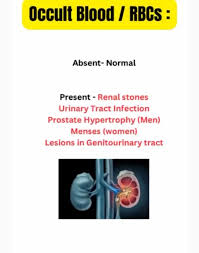
Occult blood in urine is a medical finding that many people do not expect. The word occult means hidden, so this condition refers to blood in the urine that cannot be seen with the naked eye. It is usually discovered during a routine urine test.
Even though the blood is invisible, it can still be a sign of an underlying health issue. In some cases, it is harmless and temporary. In other cases, it may point to a problem that needs medical care.
This expert-written guide explains what occult blood in your urine means, the most common causes, whether dehydration can cause occult blood in urine, how it is treated, and answers frequently asked questions in simple, clear language.
What Is Occult Blood in Your Urine?
Occult blood in your urine means that tiny red blood cells are present but cannot be seen without laboratory testing. Doctors also call this condition microscopic hematuria.
Unlike visible blood that turns urine pink or red, occult blood is only detected using:
- A urine dipstick test
- A microscopic urine exam
This condition may occur once or repeatedly, depending on the cause.
How Is Occult Blood in Urine Detected?
Most people discover occult blood during a routine urine analysis. This test is commonly done during:
- Annual health checkups
- Employment medical exams
- Pre-surgery screening
- Investigation of urinary symptoms
Common Detection Methods:
- Urine dipstick test (chemical screening)
- Microscopic urine test (confirms red blood cells)
- Repeat urine testing to rule out temporary causes
Doctors often repeat the test to confirm results.
What Are the Most Common Causes of Occult Blood?
There are many possible causes of occult blood in urine. Some are mild, while others may be serious.
- Urinary Tract Infections (UTIs)
Urinary tract infections are one of the most common causes. Bacteria irritate the lining of the bladder or urethra, causing small blood leakage.
Common symptoms may include:
- Burning during urination
- Frequent urination
- Cloudy or foul-smelling urine
However, some UTIs cause no symptoms, making occult blood the only sign.
- Kidney Stones
Kidney stones can scratch or irritate urinary tissues as they move. This can lead to microscopic bleeding.
Small stones may cause:
- Mild discomfort
- Occult blood only
Large stones often cause:
- Severe back pain
- Visible blood in urine
- Can Dehydration Cause Occult Blood in Urine?
Yes, dehydration can cause occult blood in urine, but usually indirectly.
When the body lacks enough water:
- Urine becomes highly concentrated
- Kidneys work harder
- Urinary tissues may become irritated
This irritation can cause tiny blood vessels to leak red blood cells.
Important Point
Dehydration alone is rarely a long-term cause. If occult blood continues, other causes must be checked.
- Vigorous Exercise
Heavy physical activity can cause exercise-induced hematuria.
This is often seen after:
- Long-distance running
- Intense workouts
- Contact sports
The condition is usually temporary and resolves with rest.
- Kidney Diseases
Some kidney conditions affect how blood is filtered, allowing red blood cells to leak into urine.
Common kidney-related causes include:
- Glomerulonephritis
- Kidney infections
- Inherited kidney disorders
These conditions may also cause swelling, fatigue, or high blood pressure.
- Enlarged Prostate (Men)
In older men, an enlarged prostate can press against the urethra and irritate nearby blood vessels. This may cause occult blood in urine without pain.
- Medications
Certain drugs can increase the risk of microscopic bleeding, including:
- Blood thinners
- Aspirin
- Anti-inflammatory medicines
Never stop medication without medical advice.
- Cancer (Rare but Serious)
In rare cases, occult blood may be an early sign of:
- Bladder cancer
- Kidney cancer
- Prostate cancer
This risk increases with age, smoking, and family history.
- Symptoms Linked With Occult Blood in Urine
Most people with occult blood in urine have no symptoms. That is why routine testing is important.
Possible associated symptoms include:
- Mild back pain
- Lower abdominal discomfort
- Frequent urination
- Fever (with infection)
- Unexplained weight loss (rare cases)
How Is Occult Blood in Urine Treated?
Treatment depends on the underlying cause. There is no single treatment for all cases.
- Treatment Options by Cause
1.Infections
- Antibiotics
- Increased water intake
2. Kidney Stones
- Pain relief
- Drinking fluids
- Medical procedures for large stones
3. Dehydration
- Proper hydration
- Balanced electrolytes
4. Kidney Disease
- Medication
- Diet changes
- Regular monitoring
5. Medication-Related Causes
- Adjusting dosage
- Switching medicines under supervision
6. When No Treatment Is Needed
Occult blood may disappear on its own when caused by:
- Exercise
- Mild dehydration
- Temporary irritation
Doctors may recommend follow-up testing only.
When Should You See a Doctor?
You should consult a doctor if:
- Occult blood appears in repeated tests
- You are over 40 years old
- You have pain or fever
- You smoke or have cancer risk factors
- You have a family history of kidney disease
Early evaluation can prevent serious problems.
Tests Used for Further Evaluation:
Doctors may order:
- Repeat urine tests
- Blood tests
- Ultrasound or CT scan
- Cystoscopy (bladder exam)
These tests help locate the source of bleeding.
FAQs About Occult Blood in Urine
Is occult blood in urine serious?
Not always. Many cases are harmless, but repeated findings need evaluation.
Can stress cause occult blood in urine?
Stress does not directly cause it, but it may worsen dehydration or blood pressure.
How long does occult blood last?
Temporary causes last a few days. Chronic causes persist until treated.
Can children have occult blood in urine?
Yes. Causes include infections, minor injuries, or inherited kidney issues.
Is occult blood the same as visible blood?
No. Occult blood is microscopic, while visible blood changes urine color.
Final Thoughts
Occult blood in urine is a hidden but important medical finding. While it is often harmless, it can sometimes signal conditions that need medical attention. Understanding what causes occult blood, whether dehydration can play a role, and how it is treated helps you make informed health decisions.
Regular checkups and early testing are key to maintaining good urinary and kidney health.