
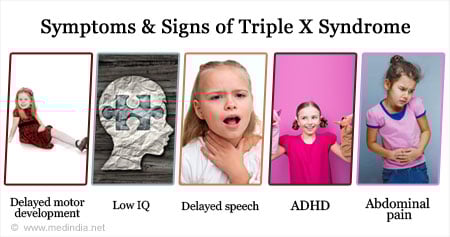
Triple X Syndrome, also known as Trisomy X, is a genetic condition that affects females. It happens when a female has an extra X chromosome. Normally, females have two X chromosomes, but in Triple X Syndrome, there are three. This condition is also called an xxx chromosome disorder name.
Many girls and women with Triple X Syndrome may not even know they have it because symptoms can be mild or sometimes completely absent. Understanding this syndrome is important for early intervention and care.
What Is Triple X Syndrome?
Triple X Syndrome is a type of chromosomal disorder. It occurs when a female inherits an extra X chromosome from one of her parents. Chromosomes are structures inside cells that carry genes. Genes control how the body grows and functions.
Since the extra X chromosome usually does not cause severe problems, many girls and women live healthy lives without knowing they have Triple X Syndrome. However, some may experience physical, developmental, or emotional challenges.
Other names for this condition include 47,XXX, trisomy X, or simply Triple X.
Causes of Triple X Syndrome
Triple X Syndrome is caused by a chromosomal abnormality. Humans normally have 46 chromosomes, arranged in 23 pairs. Females usually have two X chromosomes (46,XX). In Triple X Syndrome, one extra X chromosome is present, making it 47,XXX.
This extra chromosome usually happens by chance during the formation of egg cells. The risk of having a child with Triple X Syndrome increases slightly with maternal age.
It is important to note that Triple X Syndrome is not inherited in most cases. It usually happens randomly and is not caused by anything the parents did or didn’t do.
Symptoms of Triple X Syndrome
The symptoms of Triple X Syndrome vary widely. Some girls may have almost no noticeable signs, while others may show mild physical or developmental differences.
Common Physical Features
- Taller than average height
- Low muscle tone (hypotonia), which may affect movement and coordination
- Slightly curved pinky fingers or other minor skeletal differences
- Small differences in facial features, like wide-set eyes
Developmental and Learning Challenges
Many girls with Triple X Syndrome have normal intelligence, but some may experience:
- Delayed speech or language skills
- Difficulty with learning, reading, or math
- Poor coordination or clumsiness
Emotional and Behavioral Symptoms
Some individuals may show signs of emotional challenges, such as:
- Shyness or social anxiety
- Attention difficulties
- Low self-esteem in adolescence
It is important to remember that not everyone with Triple X Syndrome experiences these symptoms. Many girls and women live completely normal lives without needing treatment.
Trisomy X Symptoms: Key Points
When talking specifically about trisomy X symptoms, the main features include:
- Physical: Taller stature, mild skeletal differences, low muscle tone
- Cognitive: Learning delays, difficulty with coordination, slower speech development
- Behavioral: Shyness, anxiety, attention issues
Healthcare providers often use these symptoms to suggest testing for Triple X Syndrome, especially if a child shows a combination of these signs.
How Is Triple X Syndrome Diagnosed?
Diagnosing Triple X Syndrome usually involves genetic testing. Doctors may suspect the condition based on physical features or developmental delays, but testing is the only way to confirm it.
Prenatal Diagnosis
- Amniocentesis: A small sample of amniotic fluid is tested for chromosomal abnormalities.
- Chorionic Villus Sampling (CVS): Tests placental tissue for extra chromosomes.
- Noninvasive Prenatal Testing (NIPT): A blood test from the mother can detect chromosomal changes early in pregnancy.
Postnatal Diagnosis
After birth, a karyotype test is done. This test looks at the number and structure of chromosomes in cells. If three X chromosomes are found, a diagnosis of Triple X Syndrome is confirmed.
Early diagnosis can help families plan interventions for learning, speech, and emotional support.
Treatment for Triple X Syndrome
There is no cure for Triple X Syndrome, because it is a genetic condition. However, treatment focuses on managing symptoms and helping individuals reach their full potential.
Educational Support
- Speech therapy can help with language delays.
- Occupational therapy may improve coordination and fine motor skills.
- Special education programs can address learning difficulties in school.
Medical Care
Some girls may need care for:
- Seizures (rare)
- Kidney or heart problems (uncommon)
- Hormonal evaluation in adolescence if there are menstrual irregularities
Psychological Support
- Counseling or therapy can help with social or emotional challenges.
- Support groups may provide guidance for parents and families.
With early and consistent support, most girls with Triple X Syndrome can live independent, fulfilling lives.
Living with Triple X Syndrome
Most women with Triple X Syndrome are healthy and fertile, meaning they can have children. Life expectancy is generally normal.
Some challenges may include:
- Learning difficulties requiring extra support in school
- Emotional issues like shyness or anxiety
- Need for regular medical checkups to monitor development
With proper care and support, these challenges can be managed effectively.
Prevention of Triple X Syndrome
Since Triple X Syndrome usually occurs randomly during chromosome formation, there is no guaranteed way to prevent it.
However, some steps may reduce risk:
- Being aware of maternal age, as older age slightly increases the risk
- Seeking genetic counseling if there is a family history of chromosomal disorders
Early prenatal screening can also help parents prepare for a child with Triple X Syndrome and access appropriate care from birth.
Key Takeaways
- Triple X Syndrome is a genetic condition in females caused by an extra X chromosome.
- Many girls and women have mild or no symptoms.
- Symptoms may include tall stature, learning difficulties, speech delays, and emotional challenges.
- Diagnosis is made through genetic testing, either prenatally or after birth.
- Treatment focuses on managing symptoms through speech therapy, occupational therapy, and educational support.
- Life expectancy is normal, and most women with Triple X Syndrome lead healthy, independent lives.
Conclusion
Triple X Syndrome, also known as trisomy X, is a chromosomal condition that can affect physical growth, learning, and emotional development. Though some girls may face challenges, early diagnosis and supportive care allow them to thrive.
Parents and healthcare providers should be aware of the xxx syndrome symptoms and seek evaluation if there are signs of developmental delays or learning difficulties. With proper care, women with Triple X Syndrome can lead full, healthy lives.
Awareness, early intervention, and emotional support are key to helping those affected by this xxx chromosome disorder name.