
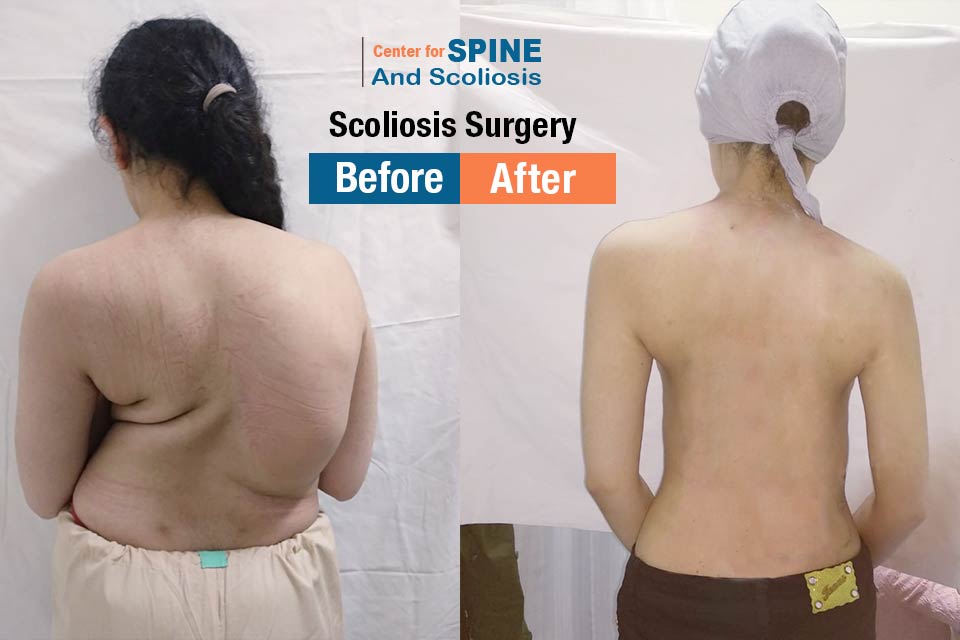
What is Scoliosis is a condition that affects the spine, making it curve sideways instead of staying straight. While most people’s spines look like a straight line when viewed from the back, a person with scoliosis has a curve that may look like the letter “S” or “C.”
This condition can affect both children and adults, and in many cases, it’s mild. However, for some people, scoliosis can cause noticeable body changes, back pain, or breathing problems if it becomes severe.
In this guide, our team of medical writers explains what scoliosis is, what causes it, the different types, how it affects the ribs (like rib scoliosis and the rib hump scoliosis side), and what treatments are available today.
Understanding the Human Spine
To understand scoliosis, it helps to know a little about how the spine works.
The spine is made up of 33 small bones called vertebrae stacked on top of each other. These bones protect the spinal cord and help the body stay upright and flexible.
When seen from the side, every healthy spine has gentle curves that help with balance and movement. But when viewed from the back, a healthy spine should appear straight.
In scoliosis, the spine curves sideways and sometimes also twists, which can make one shoulder or hip look higher than the other.
Types of What is Scoliosis
There are several types of scoliosis, depending on its cause and when it appears.
1. Idiopathic Scoliosis
This is the most common type, especially among children and teenagers.
The word idiopathic means “unknown cause.” Doctors don’t know exactly why this happens, but it may be linked to genetic factors and growth changes during puberty.
2. Congenital Scoliosis
This form happens when the spine doesn’t form properly before birth. Some vertebrae may be shaped differently, leading to a curve in the spine at birth.
3. Neuromuscular Scoliosis
This type develops because of nerve or muscle problems, such as cerebral palsy, muscular dystrophy, or spina bifida. Weak muscles can’t hold the spine straight, which causes the curve to form.
4. Degenerative (Adult) Scoliosis
As people age, the spine can wear down. Degenerative scoliosis occurs when the spine starts to curve due to arthritis, disc problems, or bone weakness in older adults.
What Is Rib Scoliosis?
When the spine curves in scoliosis, it doesn’t just bend — it also rotates or twists.
This twisting affects the ribcage, since the ribs are attached to the spine. When the vertebrae rotate, the ribs on one side of the body stick out more than the other.
This is what doctors call rib scoliosis. It’s not a separate disease — it’s a result of how scoliosis affects the ribs.
It can make one side of the chest look more prominent or “humped,” especially when bending forward.
What Is the Rib Hump Scoliosis Side?
The rib hump is a visible bump that appears on one side of the back when a person with scoliosis bends forward.
It happens because the curved spine causes the ribs on one side to stick out and the ribs on the other side to flatten.
- The rib hump scoliosis side is the side where the ribs push outward.
- The other side may look sunken or flat.
This rib hump is a common sign doctors look for during a scoliosis screening or a forward bending test. It can vary from mild to severe depending on how much the spine has rotated.
Common Signs and Symptoms of Scoliosis
Scoliosis can appear in different ways. Some people have mild curves and may not notice any symptoms, while others may have visible changes.
Here are the most common signs:
- Uneven shoulders or shoulder blades
- One hip higher than the other
- One side of the ribcage sticking out (rib hump scoliosis side)
- The waist looking uneven
- The body leaning to one side
- Back pain (in older patients or severe cases)
- Clothes not fitting properly
In many children, scoliosis doesn’t cause pain. It’s often discovered during a school screening or a routine physical exam.
What Causes Scoliosis?
The causes of scoliosis depend on the type. In most cases (idiopathic scoliosis), doctors still don’t know the exact reason, but research points to a combination of genetics, growth spurts, and environmental factors.
Here are the main known causes:
1. Genetic Factors
Scoliosis often runs in families. If a parent or sibling has it, the chance increases.
2. Congenital Spine Problems
Some babies are born with spinal bones that did not form properly in the womb, leading to congenital scoliosis.
3. Neuromuscular Conditions
Diseases that affect muscle control or nerve function, such as muscular dystrophy, spina bifida, or cerebral palsy, can cause scoliosis.
4. Injury or Infection
Rarely, injury, tumors, or infections in the spine can lead to scoliosis.
5. Aging and Degeneration
As people get older, wear and tear on the spine can lead to degenerative scoliosis, especially in those with osteoporosis or arthritis.
How Is Scoliosis Diagnosed?
Doctors use several methods to find and measure scoliosis:
1. Physical Examination
The doctor will check for uneven shoulders, hips, or ribs. During the forward bending test, you bend at the waist while the doctor looks for a rib hump.
2. X-rays
X-ray imaging is the most reliable way to see how much the spine is curved. The Cobb angle (measured in degrees) helps classify scoliosis as mild, moderate, or severe.
3. Other Tests
Sometimes, MRI or CT scans are used to look for causes like spinal cord problems or bone abnormalities.
Scoliosis Treatment Options
Treatment depends on the person’s age, the type of scoliosis, and the severity of the curve.
1. Observation (Mild Cases)
If the curve is small and not getting worse, the doctor may recommend regular check-ups every few months. Many children with mild scoliosis never need treatment.
2. Bracing
A back brace can help prevent scoliosis from getting worse in children who are still growing.
The brace doesn’t straighten the spine, but it helps control the curve during growth.
There are different types of braces, such as the Boston brace and Milwaukee brace. Most need to be worn for 16–23 hours a day.
3. Physical Therapy
Scoliosis-specific exercises, such as the Schroth method, can improve posture, muscle strength, and flexibility.
Physical therapy can also reduce pain and improve breathing for people with rib scoliosis.
4. Surgery
In severe cases, especially when the curve is over 40–50 degrees, doctors may suggest spinal fusion surgery.
This surgery straightens the spine using metal rods, screws, and bone grafts to keep the spine stable.
After surgery, most people can return to normal activities within a few months.
Living with Scoliosis
Many people with scoliosis live full, healthy lives.
Mild scoliosis often causes no physical problems. Even athletes and dancers can continue their activities with proper care.
However, in severe cases, scoliosis can cause:
- Chronic back pain
- Reduced lung capacity (especially in rib scoliosis)
- Self-image or confidence issues
That’s why early detection and treatment are important.
Can Scoliosis Be Prevented?
Unfortunately, there is no known way to prevent scoliosis, especially idiopathic scoliosis.
But regular screenings in children, good posture, and exercise can help detect and manage it early.
Parents should look for signs like uneven shoulders or one hip sticking out and have their child checked if they notice changes.
Exercises and Home Care Tips
Here are some helpful exercises and habits for people with mild scoliosis:
- Stretching and yoga: Gentle poses improve flexibility and posture.
- Core strengthening: Builds support for the spine.
- Swimming: Works the back muscles evenly.
- Avoid heavy backpacks: Reduces strain on the spine.
Always talk to a doctor or physical therapist before starting any exercise program.
When to See a Doctor
You should visit a doctor if you notice:
- Uneven shoulders, ribs, or hips
- A visible rib hump on one side
- Back pain that doesn’t go away
- Difficulty breathing
Early diagnosis can make treatment much easier and prevent the curve from getting worse.
Conclusion: Understanding and Managing Scoliosis
Scoliosis is more common than many people realize, but in most cases, it’s mild and manageable.
Knowing what scoliosis is, understanding the causes, and recognizing symptoms like the rib hump scoliosis side can help you take the right steps early.
With the right treatment, exercise, and medical care, people with scoliosis can live active, healthy, and confident lives.
If you suspect rib scoliosis or notice any unusual body changes, don’t ignore them. A quick visit to your doctor for a spinal check-up can make all the difference.